
Our home turf in southeast Los Angeles County, minutes from our Uptown Whittier office.
Dementia & Alzheimer’s Care
Specialized in-home dementia and Alzheimer’s care, guided by Certified Dementia Practitioners, in the one place that still makes sense: home.
Get Care Today
Dementia & Alzheimer’s Care at Loving Homecare ensures compassionate support, safety, and comfort for seniors with memory loss. Our caregivers provide medication reminders, meal preparation, personal care, and companionship, helping seniors maintain independence, dignity, and a familiar routine at home.
At Loving Homecare, we provide specialized levels of care for dementia patients and persons with Alzheimer’s. We provide support for activities of daily living, nutrition and hydration management, medication compliance, and social interaction. Our staff members play an instrumental role in this.
We offer specialized in-home dementia care. Ensuring the safety and happiness of elderly loved ones at home is our primary goal. As they navigate cognitive challenges, we offer unwavering support.
Our expert team gives personalized dementia care services right in your home. They’re a great resource for families caring for parent with dementia at home. We assist with daily tasks like meal preparation, medication management, and personal care, making it a comprehensive home care for dementia solution.
Dementia & Alzheimer’s Care Assistance: What We Provide
Loving Homecare provides dementia elderly care, helping seniors live comfortably through each stage. With in home memory care techniques, we ensure the utmost comfort.
- Personalized Care Plans: We understand that every individual with dementia or Alzheimer’s has unique needs, behaviors, and preferences. As a primary caregiver, we collaborate with our clients and their families. We focus on creating tailored care plans that meet individual needs and objectives.
- Medication Management: People with dementia and Alzheimer’s often find it difficult to manage their medication because of their varied symptoms. Our caregivers provide medication reminders so every dose is taken as directed at home. We also closely watch for any side effects and let the family know about changes promptly.
- Assistance with Daily Living: Dementia progression often makes everyday tasks like bathing, dressing, and grooming challenging because of memory loss. Right in your loved one’s own home, we help with these activities. We ensure our clients feel comfortable and receive proper care daily.
- Nutritious Meals: We understand the importance of proper nutrition for individuals with dementia and Alzheimer’s. Our caregivers prepare nutritious, hygienic, and balanced meals that meet each client’s dietary needs and preferences.
- Cognitive Stimulation Activities: We offer a range of activities designed to stimulate our clients’ cognitive abilities and promote social engagement. These activities, which address different stages and behaviors of dementia, can help slow its progression and enhance daily living.
- 24/7 Monitoring: Our caregivers are available day and night, including awake overnight shifts, to support and safeguard your loved one at home. Long-term Home health care becomes vital as dementia advances.
If you’re deciding on the best care type for a family member, our article on picking the ideal caregiver can help. Additionally, to understand the distinctions between home care and institutional care, please refer to our related post.
We Understand the Many Faces of Dementia
Dementia impacts our thinking, including memory and problem-solving. It’s not just about forgetfulness; it can alter daily life.
However, there are different types of dementia. Here are the most common:
- Alzheimer’s Disease: This is the most recognized form of dementia and covers almost 70% of dementia cases. It mainly impacts short-term memory and language skills.
- Vascular Dementia: This form of dementia results from a series of minor strokes. It can lead to abrupt shifts in abilities and can also alter judgment and behavior.
- Lewy Body Dementia: This is the third most common type of dementia. It can cause vision issues and false beliefs. People with this condition may also find it hard to walk or stay balanced.
- Frontotemporal Dementia: This dementia type happens because of fewer brain nerve cells. It can lead to sudden behaviors, trouble with language, and a clear lack of interest.
It’s essential to understand these differences to offer the right support and care. Remember, every person’s experience with dementia is unique, but knowing the basics can help.
Ready to Initiate Dementia & Alzheimer’s Care Services?
Are you ready to provide your elderly loved one with compassionate and professional Dementia & Alzheimer’s Care Service? Call us today at (562) 448-3854 or Click here to schedule a consultation.
Caring for someone with dementia is a job no one should do alone
Dementia elderly care asks more of a family than any other diagnosis: constant supervision, endless patience and a home that has to keep changing as the disease does. Trained caregivers carry that load with you, stage by stage.

A dementia care plan, not a schedule
Every client gets a written dementia care plan built around their stage, habits and triggers, reviewed as the disease progresses so the care always matches the moment.

Memory care at home
Familiar rooms, familiar routines and one-on-one attention reduce the confusion and agitation that a move to a facility so often multiplies.

Cover for the hard hours
Sundowning afternoons, restless nights, wandering risk: coverage runs from a few visits a week to awake overnights and full 24-hour care.
How we help families
Families reach us at every stage of the dementia journey. These are the three calls we take most.
Early-stage care is scaffolding, not takeover: reminders, driving handed over gently, routines reinforced while they still hold. Starting light also puts a trusted face in place before the harder stages arrive, which makes everything that follows easier.
- A few visits a week, shaped around existing habits.
- Medication reminders and appointment support.
- A written care plan the whole family can see.
- The same caregiver, so trust forms early.

By the middle stages, caring for someone with dementia at home is a round-the-clock job being done by one exhausted person. Trained relief for the hardest hours, afternoons, bathing, nights, is usually what decides whether home care can continue at all.
- Caregivers trained for sundowning and refusal.
- Bathing and personal care handled calmly.
- Respite hours that protect the family caregiver.
- Awake overnight coverage when nights turn risky.

When safety worries make a memory care facility feel inevitable, families are often surprised what one-on-one care at home can still handle, and at what cost compared with a facility. Home is not always the answer, but it deserves an honest look first.
- A frank assessment of what home care can and cannot do.
- One-on-one supervision no facility ratio matches.
- Couples stay together under one roof.
- Costs scaled to hours actually needed.
Starting care
Getting help in place is simpler than most families expect. Four steps, usually completed within a day or two, and nothing to sign until you are sure.
-
 Step 1
 Conversation
Call us and tell us what is happening. No script, no pressure. We will tell you honestly whether home care is the right answer for your family.
-
 Step 2
 Assessment
A care coordinator visits your home, looks at the practical realities of the house, and talks with your loved one directly about what they want.
-
 Step 3
 Care Plan
You get a written plan with specific hours, tasks and goals, so everyone knows what success looks like. It changes as needs change.
-
 Step 4
 Your Caregiver
We match on skills and on personality, and we introduce you before care begins. If the fit is wrong, we change it at no cost.

A VA-Approved Home Care Provider
We proudly serve Los Angeles and Orange County’s Veterans through government-approved care programs. If your loved one served, VA benefits may cover part or all of their in-home care, and we will help you navigate the paperwork.
Talk to us about VA benefitsMeet the Loving Homecare team
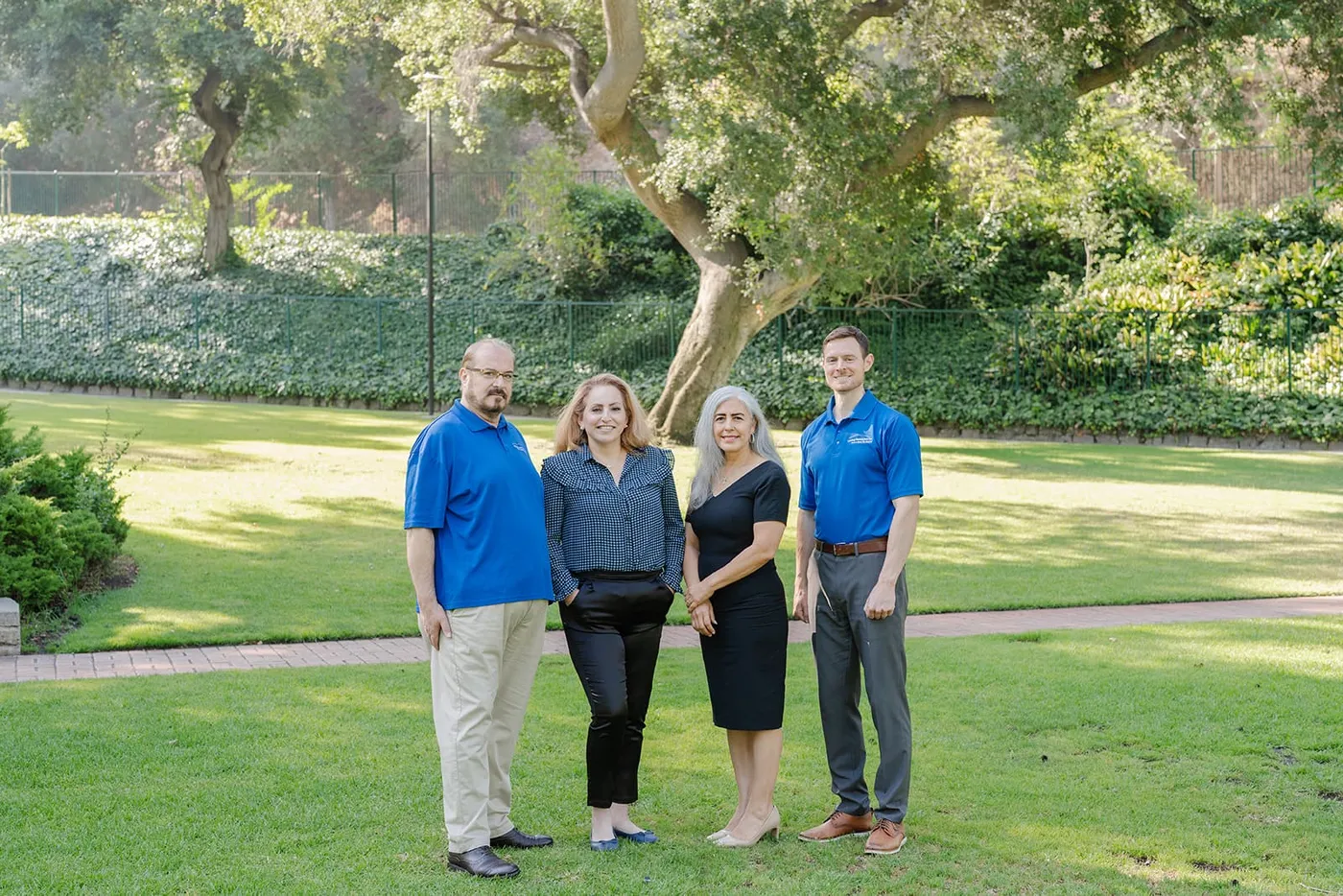
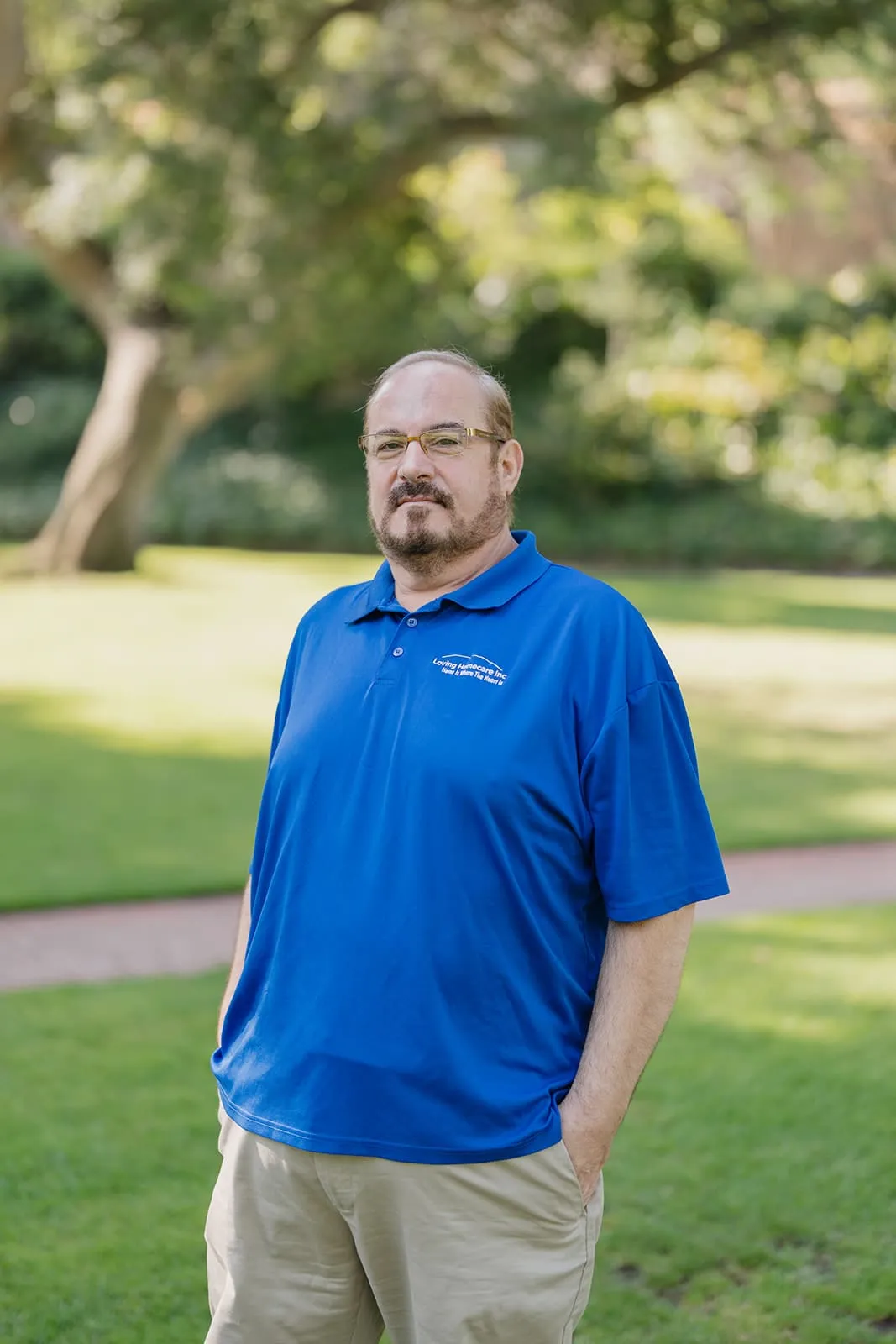
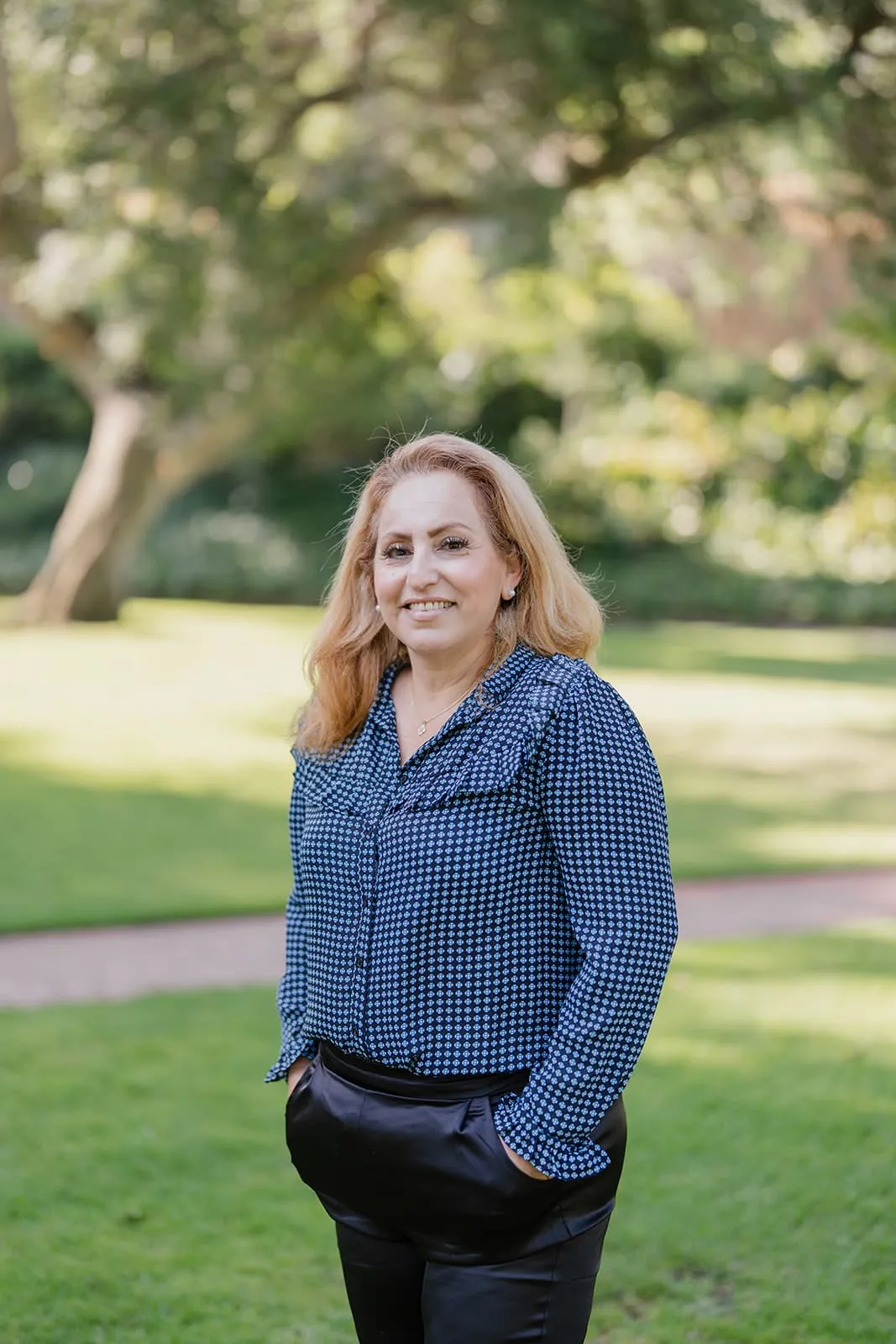
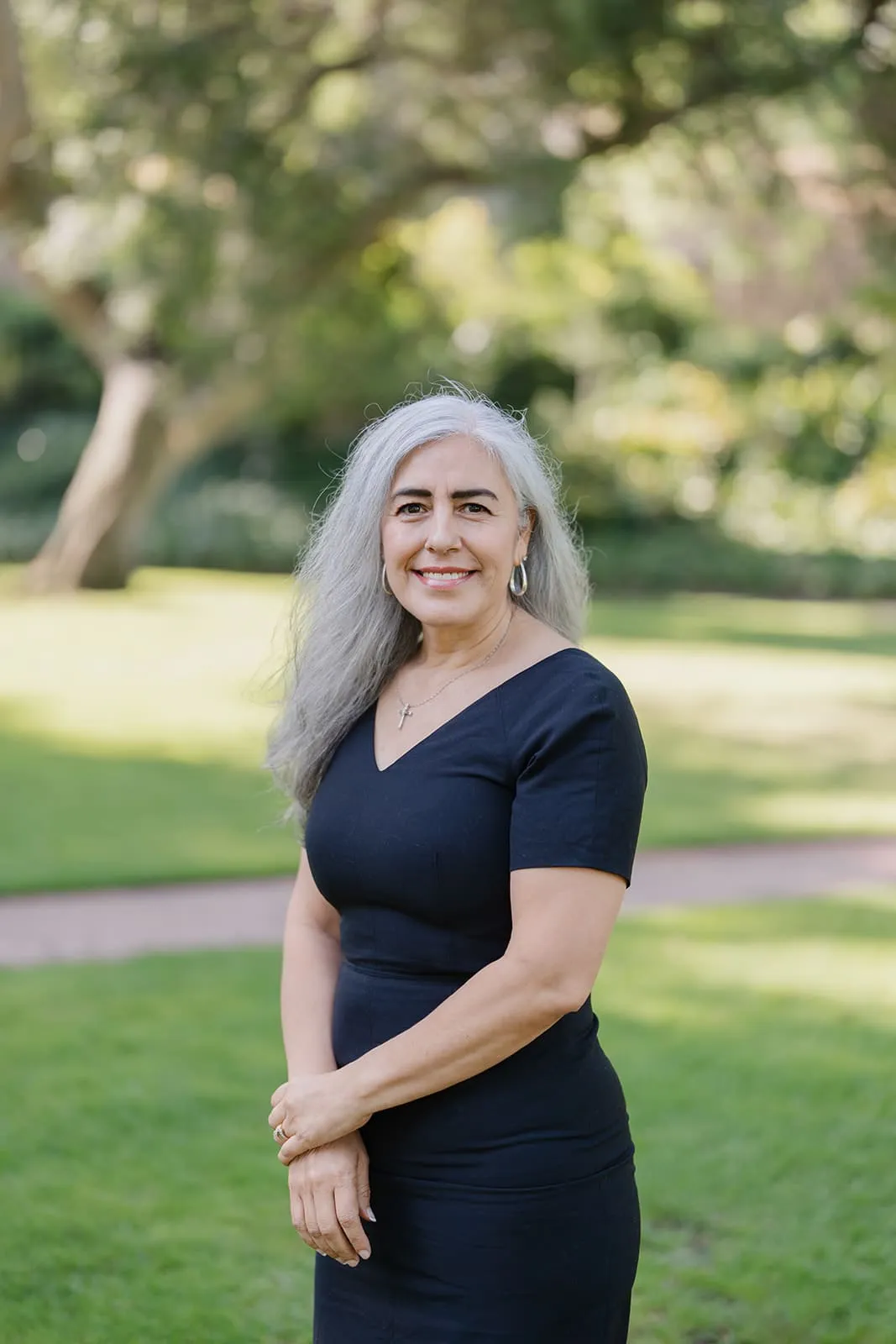
These are not the caregivers who will be in your home. They are the office team in Uptown Whittier who hire, train and support those caregivers, and who answer when you call.

Tanner
Operations & Community Director
Sarjoun
Director of Care Management
Tania
Care Coordination Manager
Lupe
Office Manager
Frequently asked questions
If you have questions about how this service works, we are here to help. These are the ones families ask us most, and you can always call for a straight answer.
Ask us anythingA written plan that records your loved one’s stage, daily routine, triggers, abilities to protect and risks to manage, plus exactly what the caregiver does on each visit. Ours are built with input from Certified Dementia Practitioners and reviewed as the disease progresses, so care changes when your loved one does.
With structure, patience and training: steady routines that lower anxiety, redirection instead of argument, calm help with personal care, meaningful activity to slow decline, and supervision through the risky hours. The disease is progressive, so the care plan grows from companionship visits all the way to 24-hour coverage.
Later than most families fear. With enough hours, including awake overnight care, home remains workable deep into the disease, and one-on-one attention often manages behaviors better than a facility can. The honest limits are usually medical complexity or safety needs that supervision cannot solve, and we will tell you plainly if we see them.
Memory care usually means a locked residential facility with shared staffing. Dementia home care delivers the same specialized support one-on-one in your loved one’s own home, without the move, which is itself one of the hardest events for a person with dementia. Many families use home care to delay or avoid the facility entirely.
It is hourly, so cost follows the hours: early-stage support of a few visits a week costs a small fraction of a memory care facility, and even extensive daily care usually compares well against facility rates in Los Angeles and Orange County. Long-term care insurance and VA Aid and Attendance often cover part. The assessment is free: (562) 448-3854.
We provide dementia home care across Los Angeles and Orange County, from our home base in Whittier through the San Gabriel Valley, the Gateway Cities and down to south Orange County. The city pages listed below cover how we work in each one.
Locations We Serve
Proudly providing in-home senior care across Los Angeles & Orange County.
Established neighborhoods east of Los Angeles where many families are caring for a parent at home.
From Brea down through Anaheim, with quick access across the county line from Whittier.
- Brea
- La Habra
- Fullerton
- Placentia
- Yorba Linda
- Buena Park
- Anaheim
- Cypress
- Stanton
- La Palma
- Villa Park
The heart of the county, close to the hospitals and specialists families travel to most.
- Santa Ana
- Garden Grove
- Westminster
- Tustin
- Fountain Valley
- Irvine
Beach communities where staying close to the water is part of what home means.
- Seal Beach
- Los Alamitos
- Huntington Beach
- Costa Mesa
- Newport Beach
- Corona Del Mar
- Laguna Beach
- Dana Point
- Capistrano Beach
- San Clemente
Master-planned communities and hillside neighborhoods from Aliso Viejo to San Juan Capistrano.
- Aliso Viejo
- Lake Forest
- Laguna Hills
- Laguna Niguel
- Laguna Woods
- Mission Viejo
- Ladera Ranch
- Rancho Santa Margarita
- San Juan Capistrano
Let’s create a care plan that fits your family
Speak with a Whittier care coordinator today. No pressure, no obligation, and an honest answer about whether home care is right for you.