
Our home turf in southeast Los Angeles County, minutes from our Uptown Whittier office.
Palliative Care at Home
Comfort-focused daily support for people living with serious illness, working hand in hand with your medical and palliative teams at home.
Get Care Today
When the goal is quality of life, the details of every day matter most
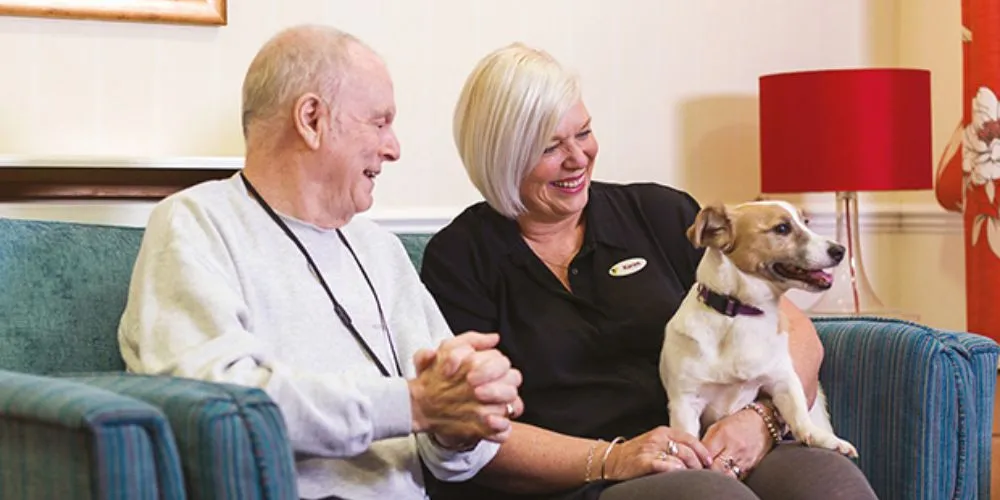
Palliative care is medical care focused on relief from the symptoms and stress of serious illness. What palliative care at home rarely includes is enough hands: the clinical team visits, then leaves. We provide the daily, human layer: the bathing, the meals, the steadying arm and the company that make comfort real, hour by hour.

Comfort in the everyday
Gentle personal care, favorite meals, a well-made bed, help settling in for the night. Comfort is not one big thing; it is fifty small ones done with patience.

Working with the medical team
We support the plan your palliative doctors and nurses set: reminders for comfort medications, observations passed along, and a caregiver present between clinical visits.

The family carried too
Serious illness exhausts everyone who loves the patient. Our caregivers hold the daily load so family time can be about presence, not chores.
What in-home palliative care support includes
We are the non-medical half of palliative care: everything comfort requires that does not need a license, delivered with the tenderness the situation deserves.

Personal care, gently
Bathing, grooming, dressing, toileting and repositioning for comfort, all at the pace the day allows. Caregivers experienced with serious illness know when to help, when to pause and how to keep dignity at the center of every task.
The home and the small pleasures
Meals your loved one actually wants, in portions they can manage. Fresh sheets, a tidy room, the chair moved into the sunlight, the music they like. When the world narrows, the quality of the near things becomes everything.
Presence, day and night
Companionship through long afternoons, an awake caregiver overnight so pain or restlessness never goes unnoticed, and respite so the family caregiver can sleep and step outside. Nobody has to be alone with any of it, patient or family.
How we help families
Families combine our care with medical palliative care in three main ways.
Many people receive palliative care while still treating their illness. Treatment days are draining, and the days after are worse. We cover the practical side of those weeks: rides, meals, rest, and a stable home routine that makes ongoing treatment sustainable.
- Transportation to treatment and appointments.
- Meals and hydration kept up when appetite is low.
- Energy saved for treatment, not chores.
- Symptoms and changes reported to family promptly.

Most people with serious illness want to be at home, and most families want that too but fear they cannot manage it. Daily caregiver support is usually the missing piece that makes home possible, safely and without the family running themselves into the ground.
- Care hours that scale from visits to 24-hour coverage.
- Personal care handled so family can be family.
- A calm, consistent routine in familiar surroundings.
- Coordination with the palliative and hospice teams.

Behind most seriously ill patients is a spouse quietly doing a job that would exhaust a trained professional. Regular relief shifts protect their health and let the couple spend their time together as husband and wife, not patient and nurse.
- Scheduled respite shifts, day or overnight.
- The physically hardest care taken over.
- A trained second set of eyes on symptoms.
- Support that grows gently as needs grow.
Starting care
Getting help in place is simpler than most families expect. Four steps, usually completed within a day or two, and nothing to sign until you are sure.
-
 Step 1
 Conversation
Call us and tell us what is happening. No script, no pressure. We will tell you honestly whether home care is the right answer for your family.
-
 Step 2
 Assessment
A care coordinator visits your home, looks at the practical realities of the house, and talks with your loved one directly about what they want.
-
 Step 3
 Care Plan
You get a written plan with specific hours, tasks and goals, so everyone knows what success looks like. It changes as needs change.
-
 Step 4
 Your Caregiver
We match on skills and on personality, and we introduce you before care begins. If the fit is wrong, we change it at no cost.

A VA-Approved Home Care Provider
We proudly serve Los Angeles and Orange County’s Veterans through government-approved care programs. If your loved one served, VA benefits may cover part or all of their in-home care, and we will help you navigate the paperwork.
Talk to us about VA benefitsMeet the Loving Homecare team
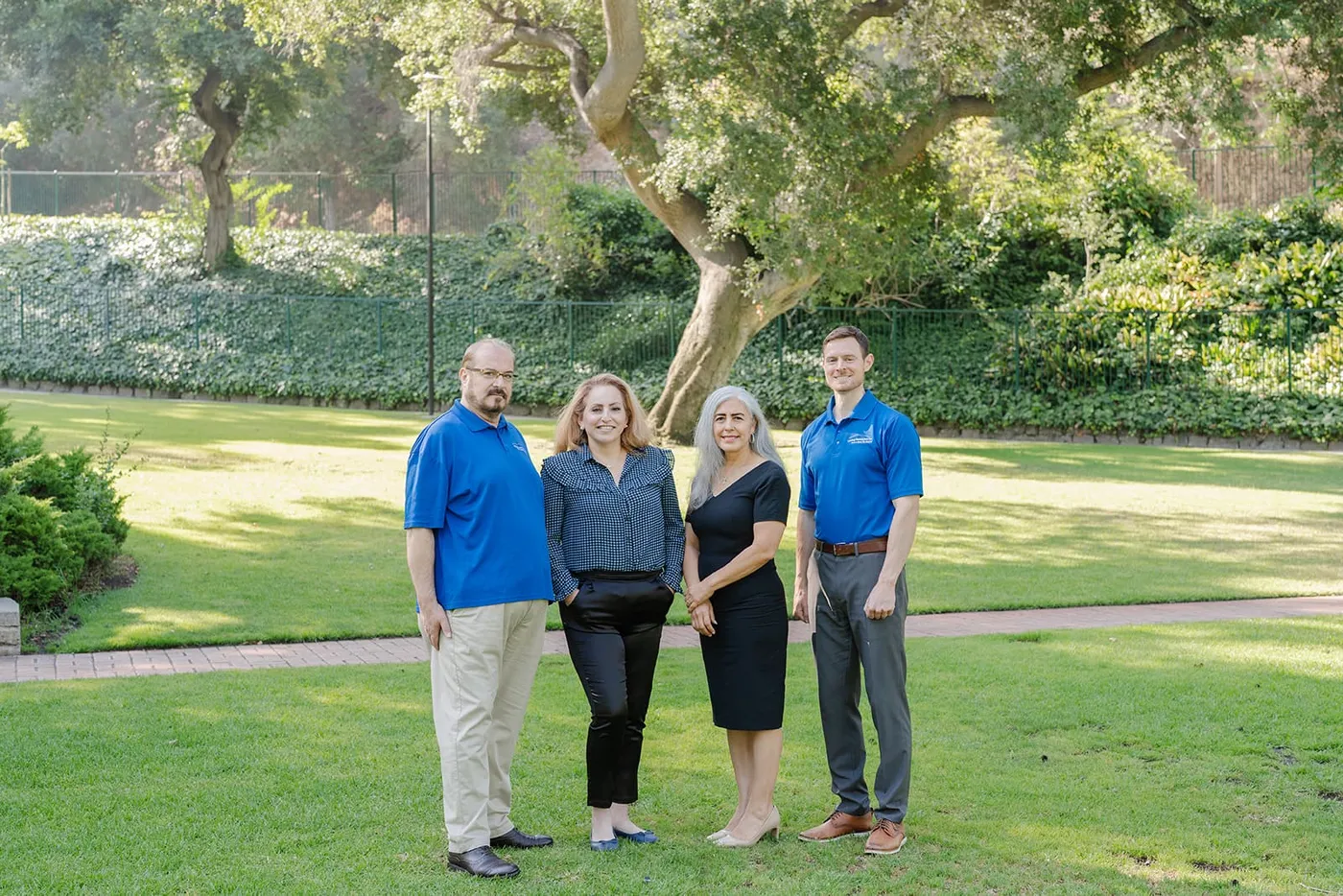
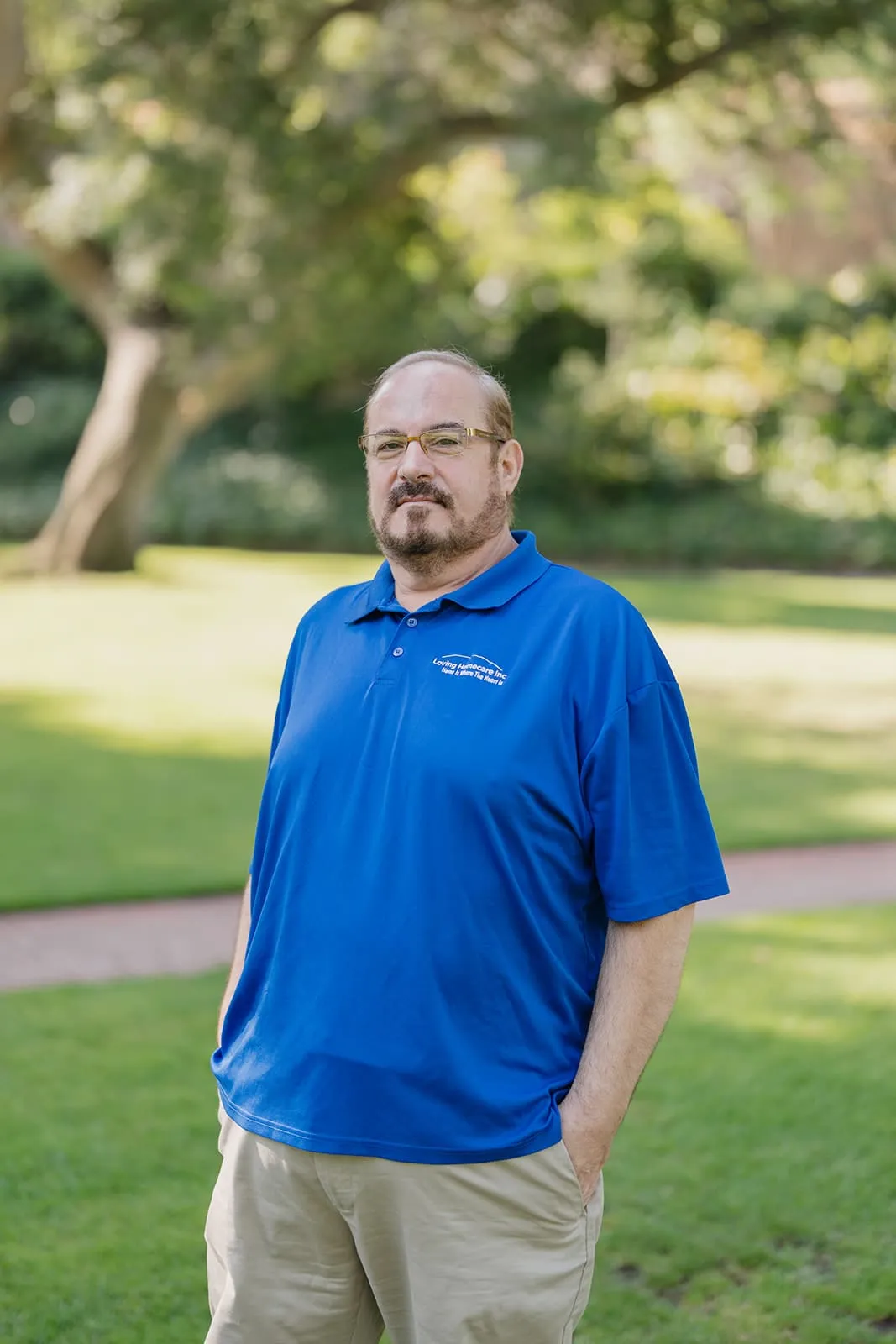
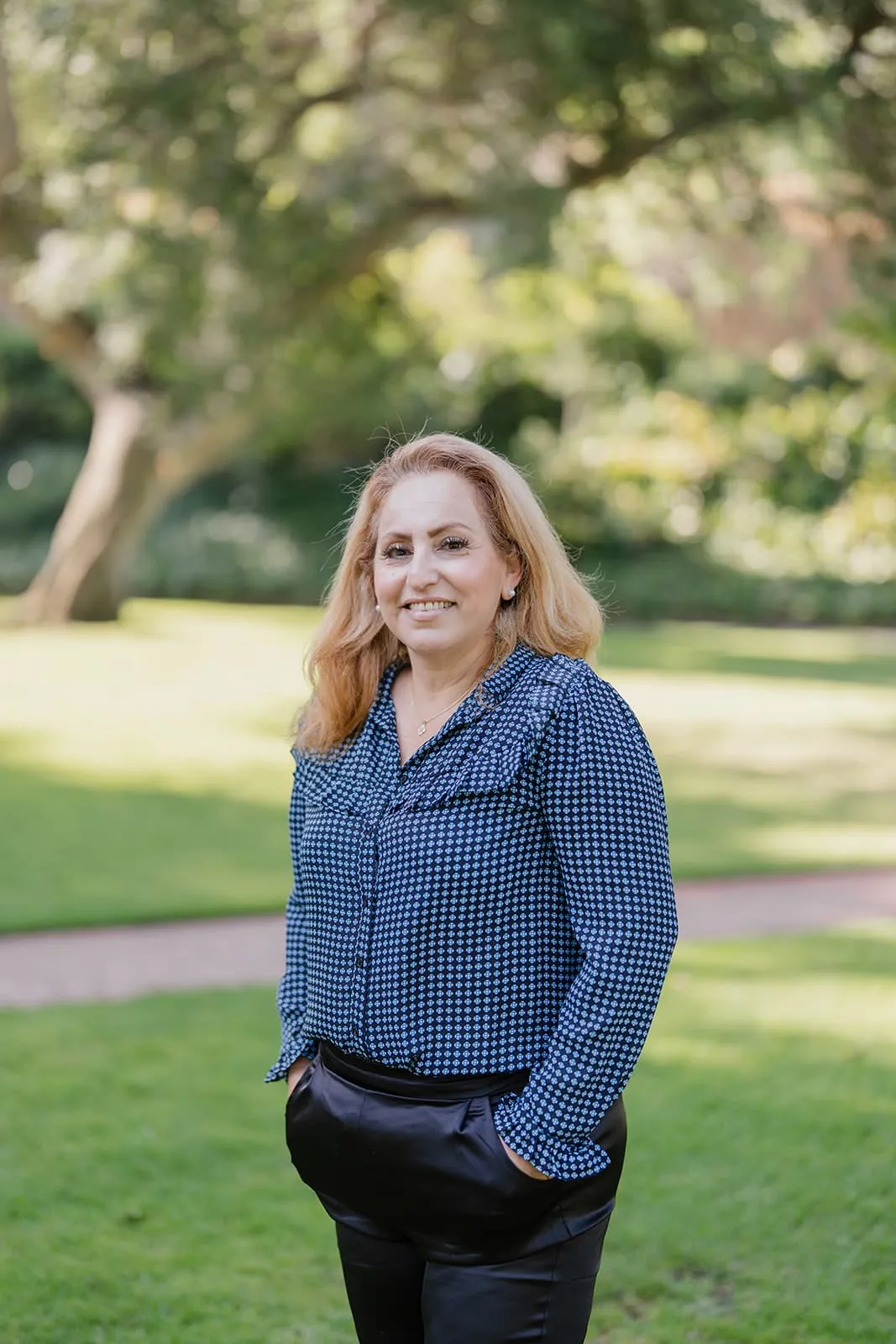
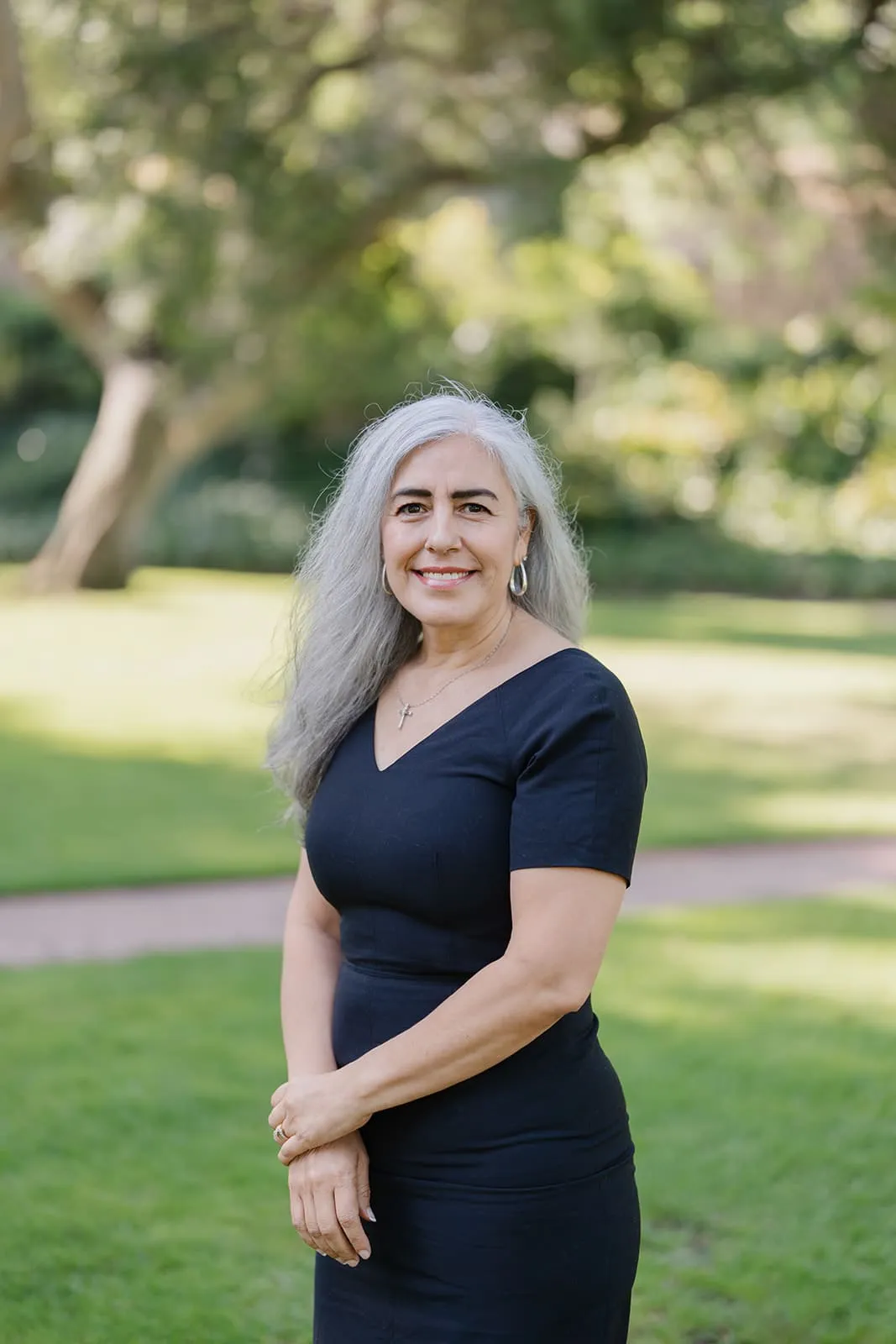
These are not the caregivers who will be in your home. They are the office team in Uptown Whittier who hire, train and support those caregivers, and who answer when you call.
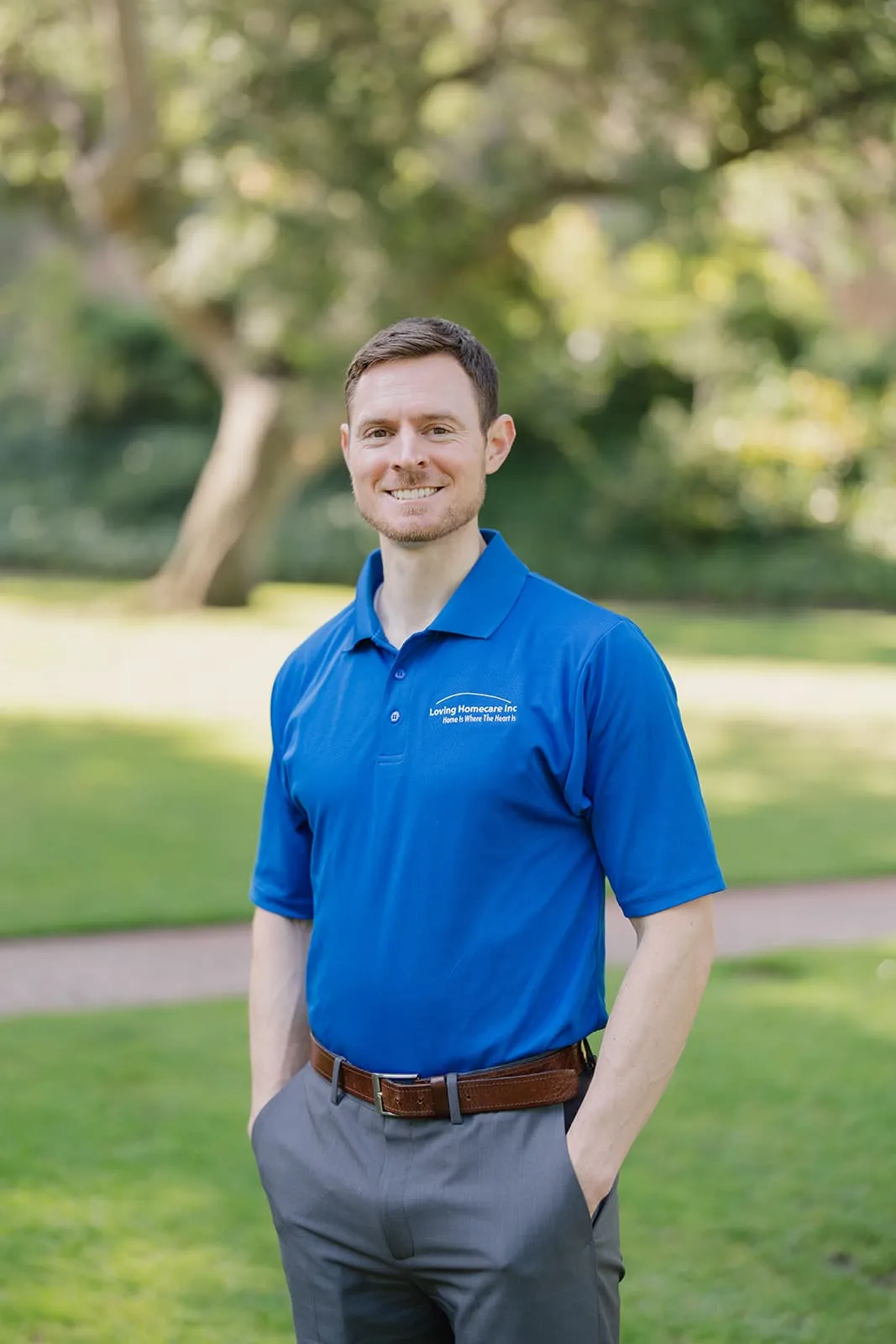
Tanner
Operations & Community Director
Sarjoun
Director of Care Management
Tania
Care Coordination Manager
Lupe
Office Manager
Frequently asked questions
If you have questions about how this service works, we are here to help. These are the ones families ask us most, and you can always call for a straight answer.
Ask us anythingIt is comfort care: care focused on relieving the symptoms and stress of a serious or chronic illness and protecting quality of life, rather than curing the disease. It can begin at any stage, including alongside active treatment. The medical part comes from doctors and nurses. The daily comfort part, at home, is what we provide.
Hospice is palliative care for the final months, when treatment has stopped. Palliative care more broadly can start much earlier and run alongside treatment. Our in-home support works the same way in both settings: we handle daily comfort and personal care while the clinical team handles the medicine.
No, we complete it. Nurses and doctors visit; they cannot stay. Our caregivers provide the hours in between: personal care, meals, comfort and a watchful presence, following the plan the medical team sets and reporting what we observe.
As a non-medical agency we do not administer medication, but we do provide scheduled reminders, and an alert caregiver makes sure doses are never forgotten and that unmanaged pain gets reported to family and nurses quickly instead of being discovered at the next visit.
Yes, including awake overnight caregivers. Nights are often the hardest hours for symptoms and the most exhausting for family. An overnight caregiver means restlessness, pain or anxiety is noticed immediately and the family finally sleeps.
Usually within a day or two of your call, faster when the situation is urgent. Serious illness does not wait on paperwork, and neither do we. Call (562) 448-3854 and tell us what is happening; we will tell you honestly how fast we can help.
Medicare covers the medical side: the palliative doctors, nurses and, under hospice, medications and equipment. It does not cover non-medical hourly caregivers. Families fund that part privately, through long-term care insurance or through VA Aid and Attendance for qualifying veterans, and we help you sort out which applies.
Locations We Serve
Proudly providing in-home senior care across Los Angeles & Orange County.
Established neighborhoods east of Los Angeles where many families are caring for a parent at home.
From Brea down through Anaheim, with quick access across the county line from Whittier.
- Brea
- La Habra
- Fullerton
- Placentia
- Yorba Linda
- Buena Park
- Anaheim
- Cypress
- Stanton
- La Palma
- Villa Park
The heart of the county, close to the hospitals and specialists families travel to most.
- Santa Ana
- Garden Grove
- Westminster
- Tustin
- Fountain Valley
- Irvine
Beach communities where staying close to the water is part of what home means.
- Seal Beach
- Los Alamitos
- Huntington Beach
- Costa Mesa
- Newport Beach
- Corona Del Mar
- Laguna Beach
- Dana Point
- Capistrano Beach
- San Clemente
Master-planned communities and hillside neighborhoods from Aliso Viejo to San Juan Capistrano.
- Aliso Viejo
- Lake Forest
- Laguna Hills
- Laguna Niguel
- Laguna Woods
- Mission Viejo
- Ladera Ranch
- Rancho Santa Margarita
- San Juan Capistrano
Let’s create a care plan that fits your family
Speak with a Whittier care coordinator today. No pressure, no obligation, and an honest answer about whether home care is right for you.