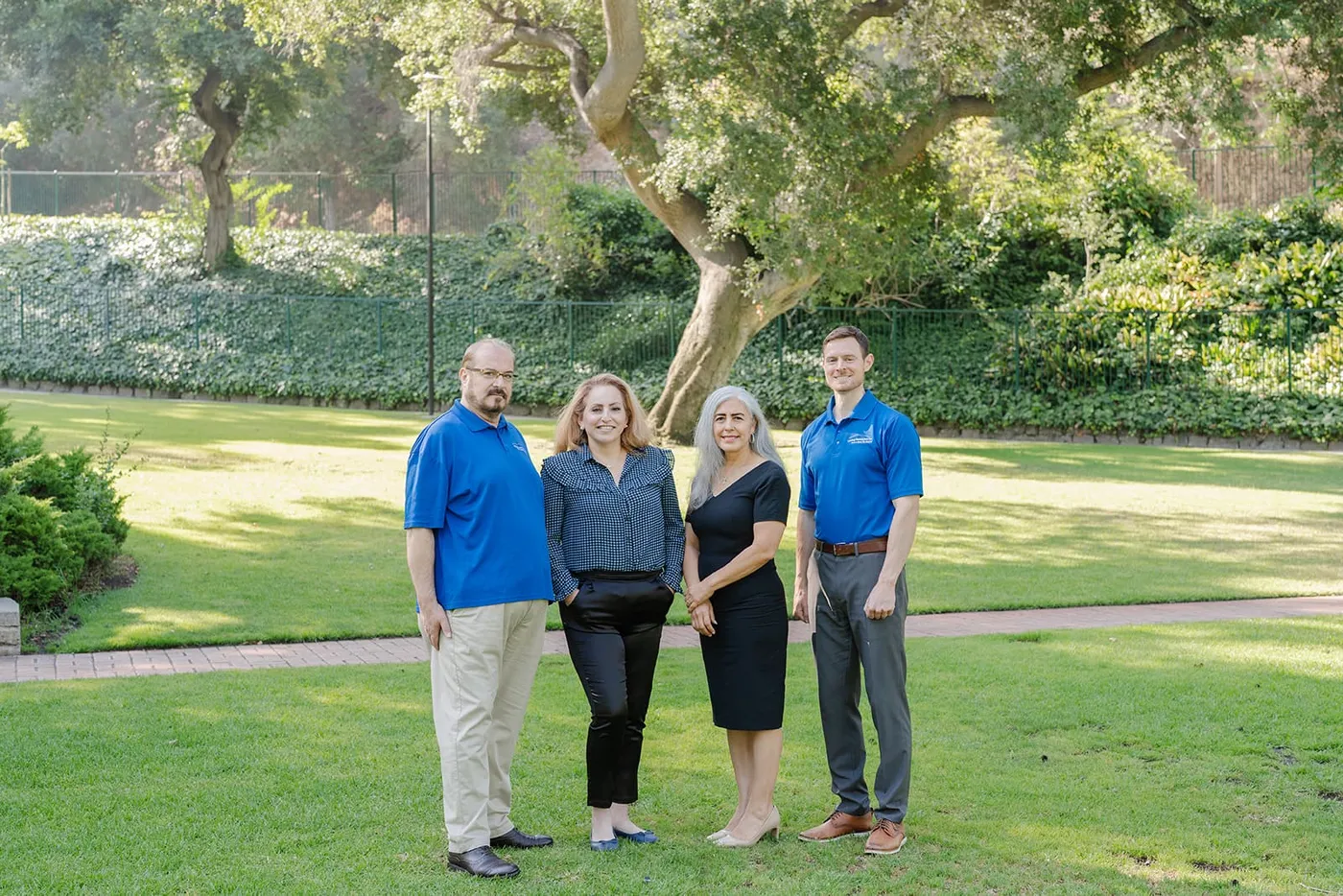


Our home turf in southeast Los Angeles County, minutes from our Uptown Whittier office.
Fall Prevention
One fall changes everything. Our fall prevention program for seniors pairs a hazard-checked home with hands-on support during risky moments and daily encouragement to keep moving.
Get Care Today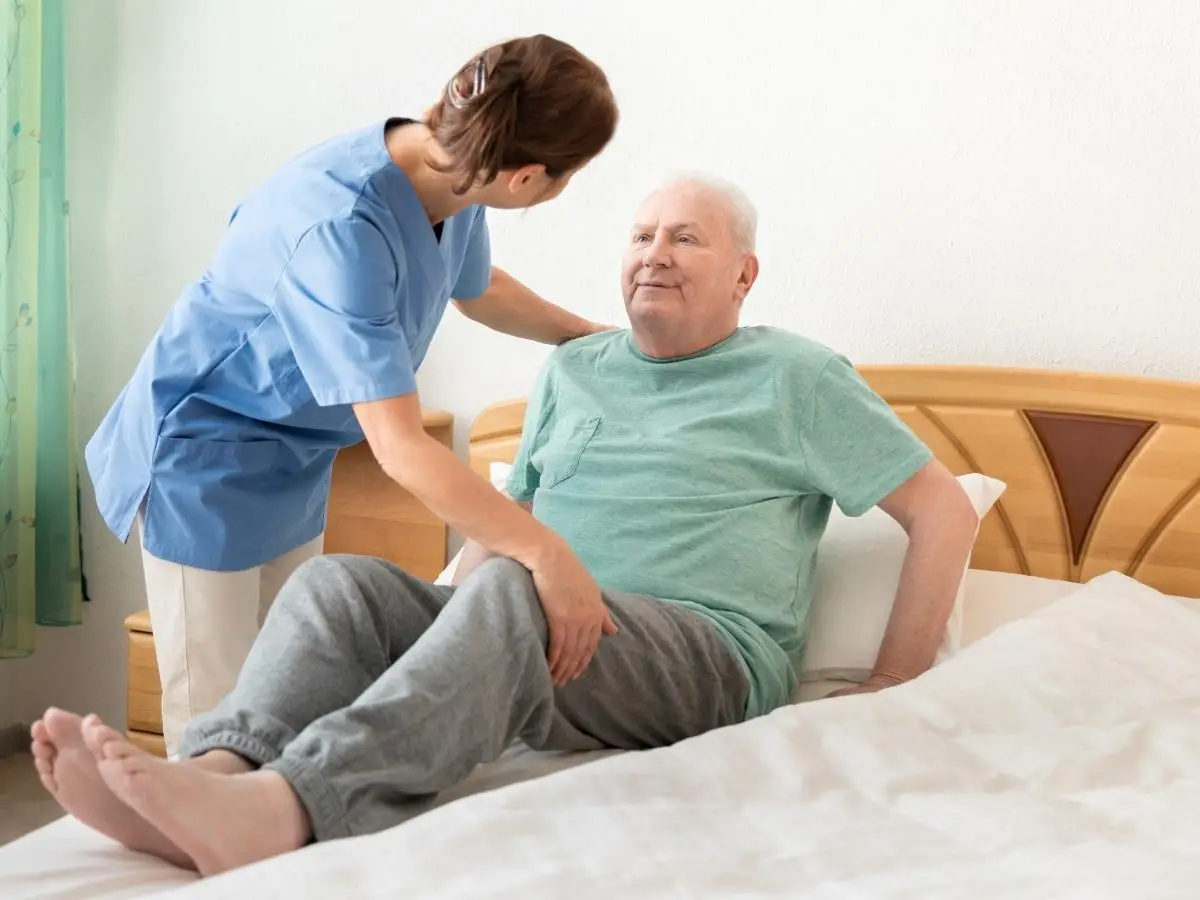
Falls are the number one threat to independence at home
One in four adults over 65 falls each year, and a serious fall is the most common reason a senior can no longer live at home. Almost none of them come out of nowhere. Fall prevention for elderly adults works because the hazards, the medication effects and the growing unsteadiness are all visible in advance, if someone is there to see them.

Hazards found and fixed
Loose rugs, dim hallways, trailing cords, missing grab bars and slick bathroom floors. We walk the whole home with a checklist, fix what can be fixed on the spot and give you a clear list for the rest.

Support at the risky moments
Most falls happen during transitions: out of bed, off the toilet, in and out of the shower, down the porch steps. A caregiver is there for exactly those moments, every day.

Warning signs flagged early
New dizziness, a changed gait, furniture-surfing, near-misses. Caregivers report what they see so you and the doctor can act before the fall, not after it.
What fall prevention includes
Fall risk is never one thing. We work on the home, the habits and the body at the same time, because that is what actually moves the odds.
A home safety assessment
Every care plan starts with a room-by-room walk-through: lighting, flooring, furniture layout, bathroom setup, stairs and entryways. Small changes carry surprising weight. Better bulbs, night lights on the bedroom-to-bathroom path, a cleared route for the walker or cane and a grab bar in the right spot prevent more falls than any gadget, and the family gets practical fall prevention tips they can act on the same week.
Steady hands during daily life
Standby support for walking, bathing, dressing and stairs, with hands-on help for transfers when needed. The caregiver learns where your loved one is strong and where they wobble, and positions themselves accordingly without hovering or taking over.
Strength, balance and follow-through
If a doctor or physical therapist has prescribed exercises, we make sure they actually happen: scheduled, encouraged and done safely. Daily movement is the best long-term fall protection there is, and consistency is the part families struggle to provide from a distance.
How we help families
Fall prevention for seniors usually starts at one of three moments. Earlier is always better, but we can help at any of them.
A first fall, even without injury, doubles the chance of another. It is the clearest signal a family ever gets. Acting on it now, while confidence is shaken but ability is intact, is the cheapest and most effective time to intervene.
- Home assessment within days of your call.
- Support hours focused on when falls actually happen.
- A written hazard list you can act on immediately.
- Confidence rebuilt through steady, safe routine.

Discharge is peak fall season. Your loved one is weaker than they realize, in a home that has not changed to match, often on new medication that affects balance. The first weeks home decide whether recovery holds, and this is where a caregiver earns their keep.
- Care can begin the day of discharge.
- Transfers, bathing and stairs covered from day one.
- Therapy exercises encouraged and supervised.
- Changes in steadiness reported to you and the doctor.

Grabbing furniture on the way across the room, skipping the shower out of fear, a bruise nobody explains. These are falls that have not finished happening yet. Families who act at this stage usually keep their loved one independent for years longer.
- An honest assessment of where the risks are.
- A few hours of support at the right times of day.
- Fear replaced with confidence, not dependence.
- The care plan grows only if needs grow.

Starting care
Getting help in place is simpler than most families expect. Four steps, usually completed within a day or two, and nothing to sign until you are sure.
-
 Step 1
 Conversation
Call us and tell us what is happening. No script, no pressure. We will tell you honestly whether home care is the right answer for your family.
-
 Step 2
 Assessment
A care coordinator visits your home, looks at the practical realities of the house, and talks with your loved one directly about what they want.
-
 Step 3
 Care Plan
You get a written plan with specific hours, tasks and goals, so everyone knows what success looks like. It changes as needs change.
-
 Step 4
 Your Caregiver
We match on skills and on personality, and we introduce you before care begins. If the fit is wrong, we change it at no cost.

A VA-Approved Home Care Provider
We proudly serve Los Angeles and Orange County’s Veterans through government-approved care programs. If your loved one served, VA benefits may cover part or all of their in-home care, and we will help you navigate the paperwork.
Talk to us about VA benefitsMeet the Loving Homecare team
These are not the caregivers who will be in your home. They are the office team in Uptown Whittier who hire, train and support those caregivers, and who answer when you call.
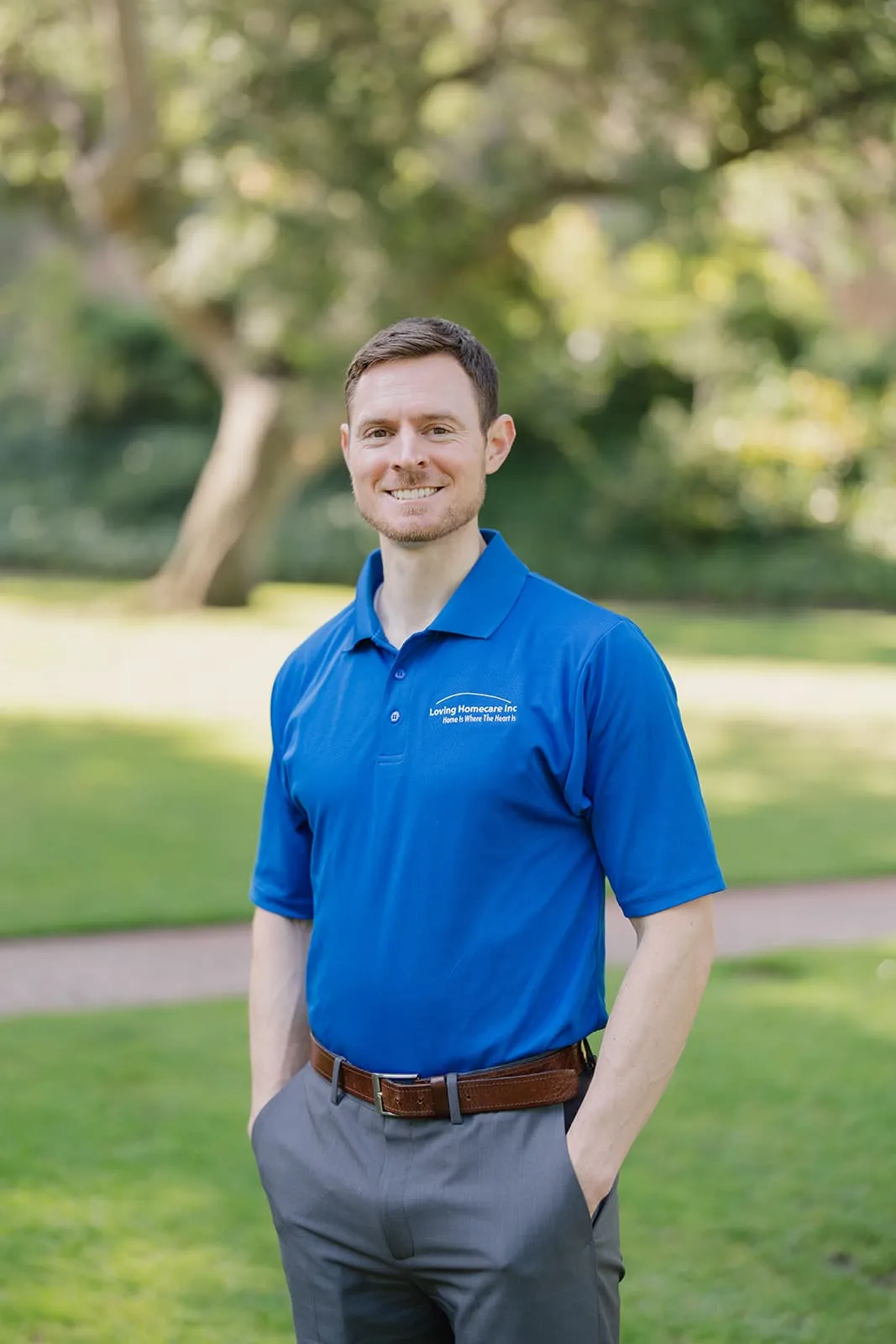
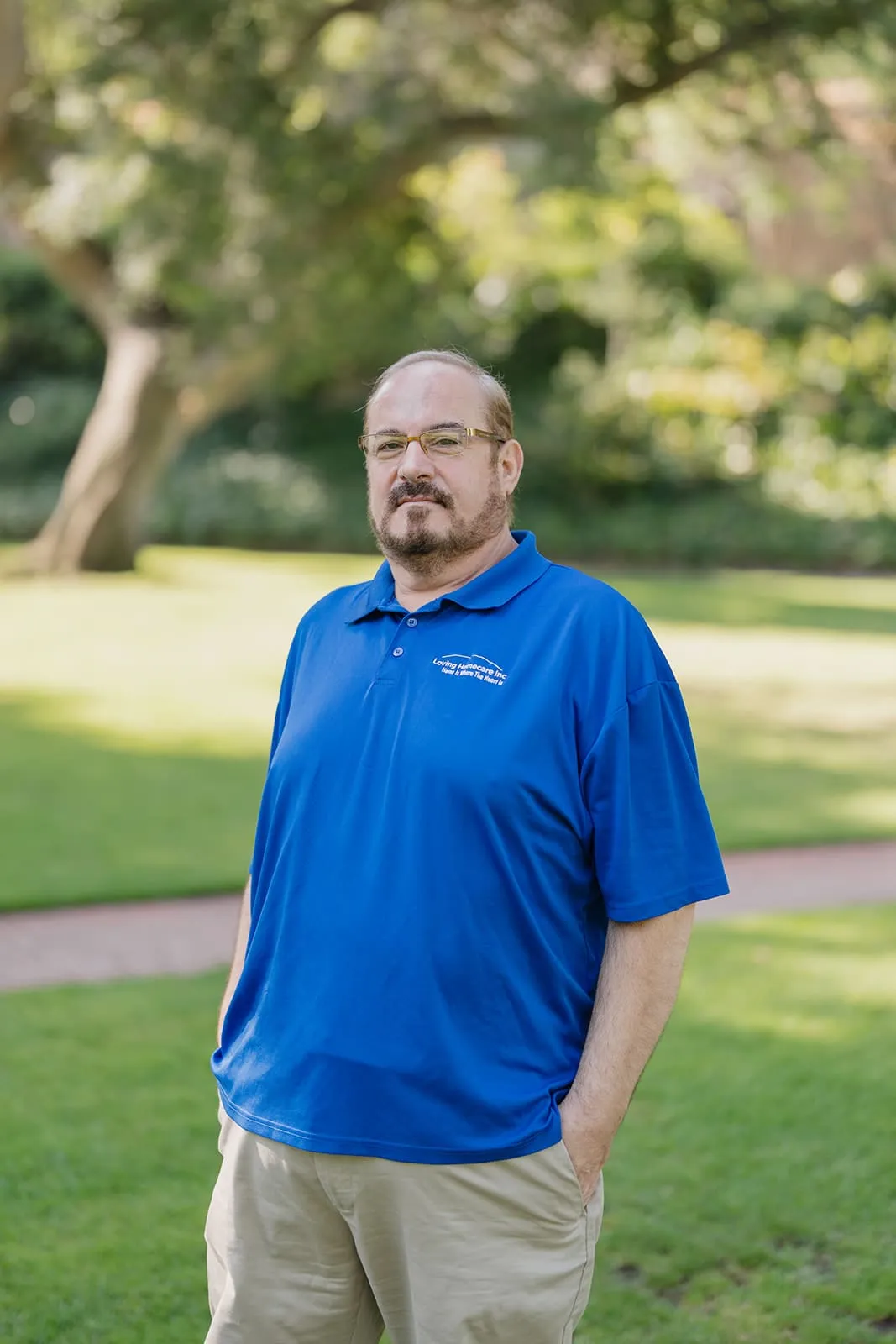
Tanner
Operations & Community Director
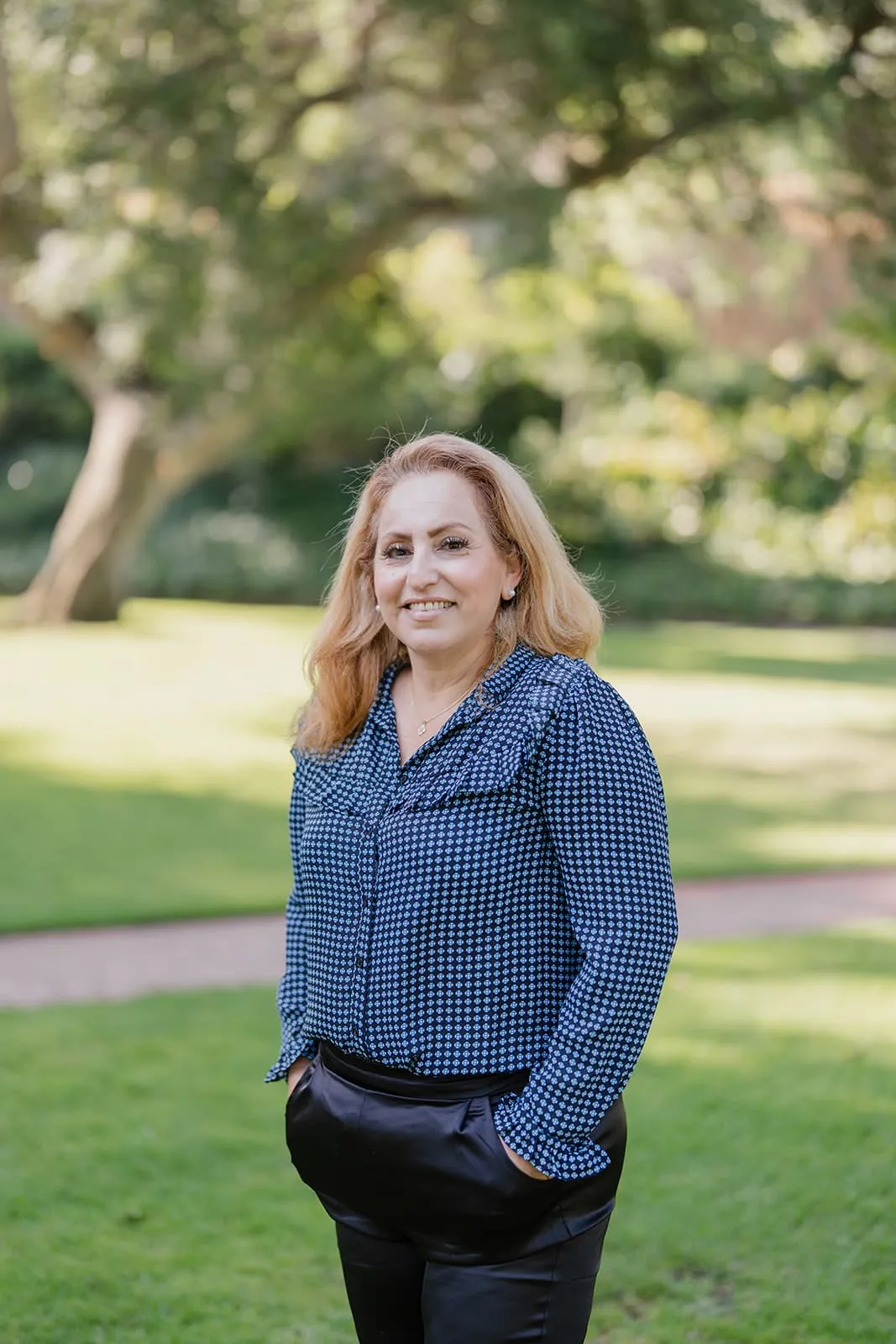
Sarjoun
Director of Care Management
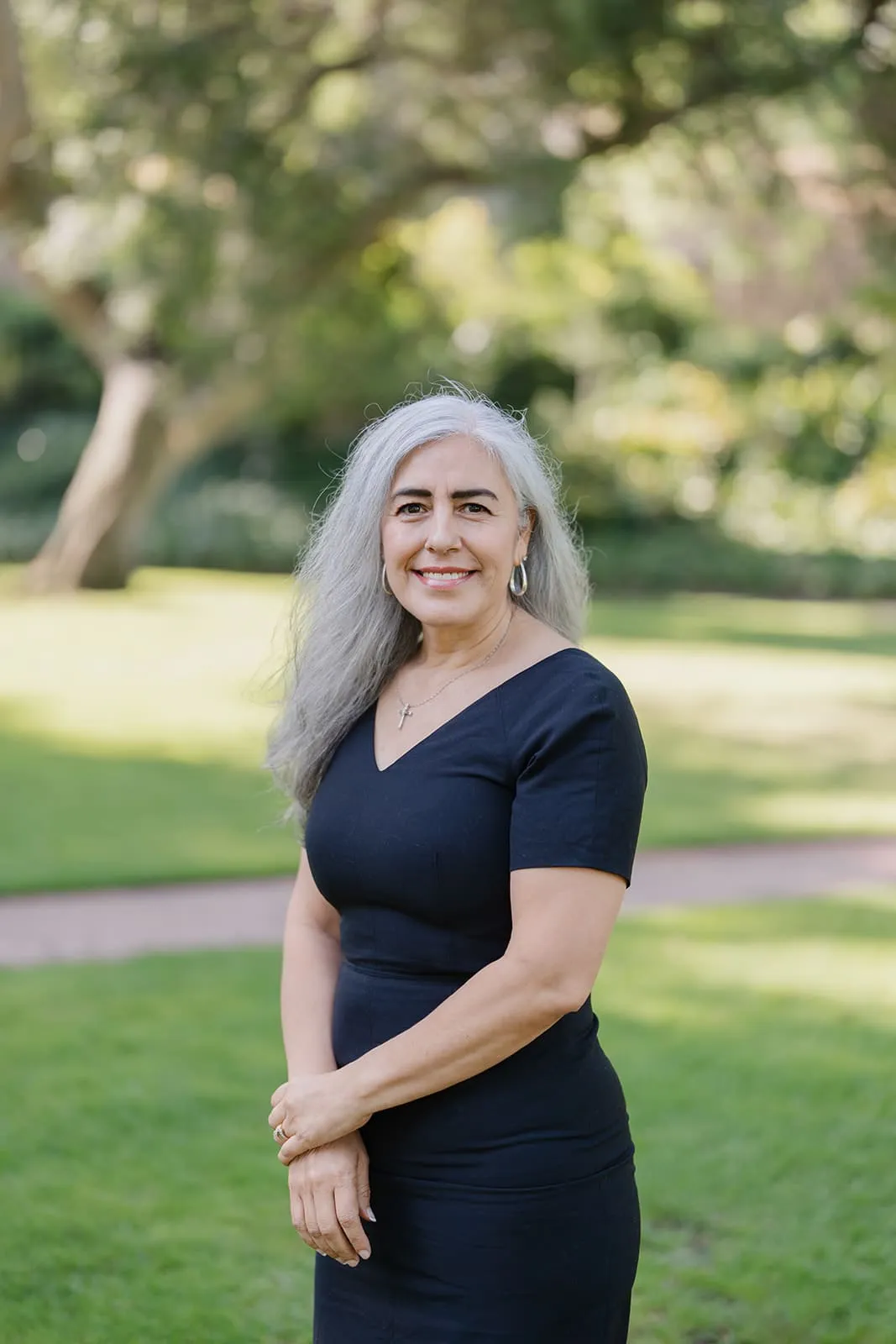
Tania
Care Coordination Manager
Lupe
Office Manager
Frequently asked questions
If you have questions about how this service works, we are here to help. These are the ones families ask us most, and you can always call for a straight answer.
Ask us anythingUsually a combination: weakened legs and balance, medication side effects, poor lighting and a hazard in the wrong place at the wrong time. The bathroom and the bedroom-to-bathroom path at night are the most dangerous territory in almost every home we assess.
Three things, quickly: tell their doctor and ask for a medication review, fix the obvious home hazards, and add support at the times of day when they are least steady. A first fall is the strongest predictor of a second one, so speed matters more than perfection.
The opposite is the goal. A serious fall is what actually ends independence. Standby support means the caregiver is within reach during risky moments and out of the way the rest of the time, so your parent keeps doing everything they can safely do themselves.
We identify exactly what is needed and where, and we coordinate with handymen or medical equipment suppliers for installation. Caregivers also make the no-cost fixes on the spot: clearing paths, securing rugs, improving lighting and rearranging what gets used daily.
Yes, within our non-medical role. We do not prescribe exercise, but when a doctor or physical therapist has, our caregivers schedule it, encourage it and stay close while it happens. Follow-through is where most home exercise programs fail, and it is exactly what a daily caregiver fixes.
Often fewer than families expect. Falls cluster around mornings, bathing and nighttime bathroom trips, so a few well-placed hours cover most of the risk. We build the schedule around when your loved one is actually vulnerable, not around a package.
Locations We Serve
Proudly providing in-home senior care across Los Angeles & Orange County.
Established neighborhoods east of Los Angeles where many families are caring for a parent at home.
From Brea down through Anaheim, with quick access across the county line from Whittier.
- Brea
- La Habra
- Fullerton
- Placentia
- Yorba Linda
- Buena Park
- Anaheim
- Cypress
- Stanton
- La Palma
- Villa Park
The heart of the county, close to the hospitals and specialists families travel to most.
- Santa Ana
- Garden Grove
- Westminster
- Tustin
- Fountain Valley
- Irvine
Beach communities where staying close to the water is part of what home means.
- Seal Beach
- Los Alamitos
- Huntington Beach
- Costa Mesa
- Newport Beach
- Corona Del Mar
- Laguna Beach
- Dana Point
- Capistrano Beach
- San Clemente
Master-planned communities and hillside neighborhoods from Aliso Viejo to San Juan Capistrano.
- Aliso Viejo
- Lake Forest
- Laguna Hills
- Laguna Niguel
- Laguna Woods
- Mission Viejo
- Ladera Ranch
- Rancho Santa Margarita
- San Juan Capistrano
Let’s create a care plan that fits your family
Speak with a Whittier care coordinator today. No pressure, no obligation, and an honest answer about whether home care is right for you.