


Our home turf in southeast Los Angeles County, minutes from our Uptown Whittier office.
Arthritis Care
Daily help that works around stiff, painful joints, so arthritis slows your loved one down without taking away the life they enjoy.
Get Care Today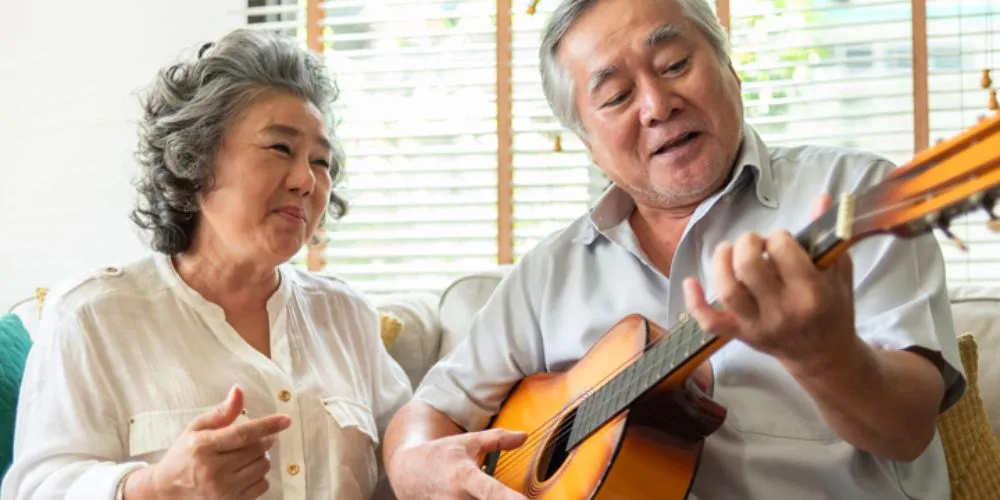
When joints make ordinary days hard, the right help changes everything
Arthritis rarely announces itself with a crisis. It shows up as buttons that will not cooperate, jars that will not open, stairs that take planning and mornings that start slow and sore. Help with exactly those moments is what keeps life normal.

Help that follows the pain
Arthritis is worse some days than others. Caregivers do more on flare days and step back on good ones, so your loved one keeps doing everything their joints allow.

The hard tasks handled
Buttons and zippers, jar lids, cooking, laundry, tub edges and stairs. The small defeats that pile up each day are exactly what a caregiver takes off the table.

Keep moving, safely
Gentle movement is the best thing for arthritic joints, and the hardest thing to do alone. We encourage prescribed exercises, walks and hobbies that keep hands and hips working.
What arthritis care includes
The goal is not to do things for your loved one. It is to remove the friction between what their mind wants and what their joints allow.

Morning and evening routines
Stiffness is worst at the edges of the day. Help with getting out of bed, dressing, fastenings, grooming and washing turns the most painful hour into a manageable one, and an evening routine sets up a better night’s sleep.
Meals, home and errands
Chopping, lifting pots, opening packaging, carrying laundry and groceries: kitchen and housework are hard labor for arthritic hands. Caregivers cook proper meals, keep the home comfortable and drive to appointments and errands.
Comfort and encouragement
Heat packs ready when joints ache, medication reminders on schedule, and steady encouragement to keep up the movement and hobbies that protect joints long-term. Caregivers also notice when pain is changing and let you know, so the doctor hears about it early.
How we help families
Arthritis care looks different depending on what the disease is taking first. These are the three patterns we see most.
When grip goes, ordinary objects become opponents: buttons, taps, lids, pens and phone screens. A caregiver absorbs those battles while your loved one’s energy goes to the things they love doing, and adaptive tools get found and actually used.
- Dressing, grooming and meals without the struggle.
- Adaptive utensils and tools introduced where they help.
- Hobbies kept alive with a little practical support.
- Frustration out of the day, energy back into it.
When weight-bearing joints ache, people quietly shrink their world: fewer stairs, fewer outings, more sitting. That spiral weakens muscles and worsens the arthritis. A steady arm and a planned day keep the world full-sized.
- Support on stairs, transfers and longer walks.
- Outings and errands that stay on the calendar.
- Prescribed exercise encouraged and supervised.
- A home arranged to shorten painful distances.

Rheumatoid arthritis and other inflammatory forms come in waves. During a flare, someone who managed fine last month suddenly needs real help. Care hours that can surge for a bad stretch and ease back afterward fit this disease far better than a fixed schedule.
- Hours that flex up during flares.
- Full personal care on the worst days.
- Meals, home and medication kept on track.
- No long-term commitment to hours you do not need.

Starting care
Getting help in place is simpler than most families expect. Four steps, usually completed within a day or two, and nothing to sign until you are sure.
-
 Step 1
 Conversation
Call us and tell us what is happening. No script, no pressure. We will tell you honestly whether home care is the right answer for your family.
-
 Step 2
 Assessment
A care coordinator visits your home, looks at the practical realities of the house, and talks with your loved one directly about what they want.
-
 Step 3
 Care Plan
You get a written plan with specific hours, tasks and goals, so everyone knows what success looks like. It changes as needs change.
-
 Step 4
 Your Caregiver
We match on skills and on personality, and we introduce you before care begins. If the fit is wrong, we change it at no cost.

A VA-Approved Home Care Provider
We proudly serve Los Angeles and Orange County’s Veterans through government-approved care programs. If your loved one served, VA benefits may cover part or all of their in-home care, and we will help you navigate the paperwork.
Talk to us about VA benefitsMeet the Loving Homecare team
These are not the caregivers who will be in your home. They are the office team in Uptown Whittier who hire, train and support those caregivers, and who answer when you call.

Tanner
Operations & Community Director

Sarjoun
Director of Care Management

Tania
Care Coordination Manager

Lupe
Office Manager
Frequently asked questions
If you have questions about how this service works, we are here to help. These are the ones families ask us most, and you can always call for a straight answer.
Ask us anythingAll of them. Osteoarthritis is the most common in seniors and shows up as worn, painful knees, hips and hands. Rheumatoid arthritis brings inflammation and flare weeks that need surging support. Caregivers take on the tasks that hurt, encourage the gentle movement that protects joints, and notice when pain patterns change so the doctor hears about it.
For most people with arthritis, movement is medicine: it keeps joints moving through their range of motion, strengthens the muscles that support them and reduces stiffness and inflammation. The plan should come from a doctor or physical therapist, and our caregivers make sure it happens consistently and safely at home.
Yes, and for inflammatory arthritis they should. We can run a light baseline schedule and add hours quickly during a flare, then scale back down. Tell us the pattern of your loved one’s disease and we will build the plan around it.
We provide reminders and make sure medications are taken on schedule, including the anti-inflammatories where timing matters. As a non-medical agency we do not administer injections or manage prescriptions, but we coordinate closely with family and the medical team.
A lot, cheaply: lever handles instead of knobs, jar openers and reachers, raised seating, rails where hands need them, and frequently used items moved between waist and shoulder height. Our caregivers spot these opportunities during ordinary visits and help make them happen.
It starts with a free in-home assessment where we look at the day, the home and the joints honestly. Many arthritis clients begin with a few hours two or three times a week. Call (562) 448-3854 and we will give you a straight answer on cost for your situation.
Locations We Serve
Proudly providing in-home senior care across Los Angeles & Orange County.
Established neighborhoods east of Los Angeles where many families are caring for a parent at home.
From Brea down through Anaheim, with quick access across the county line from Whittier.
- Brea
- La Habra
- Fullerton
- Placentia
- Yorba Linda
- Buena Park
- Anaheim
- Cypress
- Stanton
- La Palma
- Villa Park
The heart of the county, close to the hospitals and specialists families travel to most.
- Santa Ana
- Garden Grove
- Westminster
- Tustin
- Fountain Valley
- Irvine
Beach communities where staying close to the water is part of what home means.
- Seal Beach
- Los Alamitos
- Huntington Beach
- Costa Mesa
- Newport Beach
- Corona Del Mar
- Laguna Beach
- Dana Point
- Capistrano Beach
- San Clemente
Master-planned communities and hillside neighborhoods from Aliso Viejo to San Juan Capistrano.
- Aliso Viejo
- Lake Forest
- Laguna Hills
- Laguna Niguel
- Laguna Woods
- Mission Viejo
- Ladera Ranch
- Rancho Santa Margarita
- San Juan Capistrano
Let’s create a care plan that fits your family
Speak with a Whittier care coordinator today. No pressure, no obligation, and an honest answer about whether home care is right for you.