
30-Second Summary
- Good nutrition is vital for seniors’ energy, strength, and independence.
- Aging affects appetite, digestion, and nutrient needs.
- Simple meals, snacks, and hydration strategies can make a big difference.
- Loving Homecare Inc. offers compassionate support with meals, planning, and daily routines.
Introduction
Eating well gets trickier with age.
You or your loved one might not feel as hungry.
Maybe meals become snacks. Or toast and tea are the go-to.
And “healthy nutrition for adults” can feel like a moving target, especially at 75.
But here’s the good news:
Even small changes can boost energy, mood, and strength.
This guide will help you make sense of nutrition for older adults without overwhelm.
Let’s take it one step at a time.
How Aging Changes Nutrition Needs
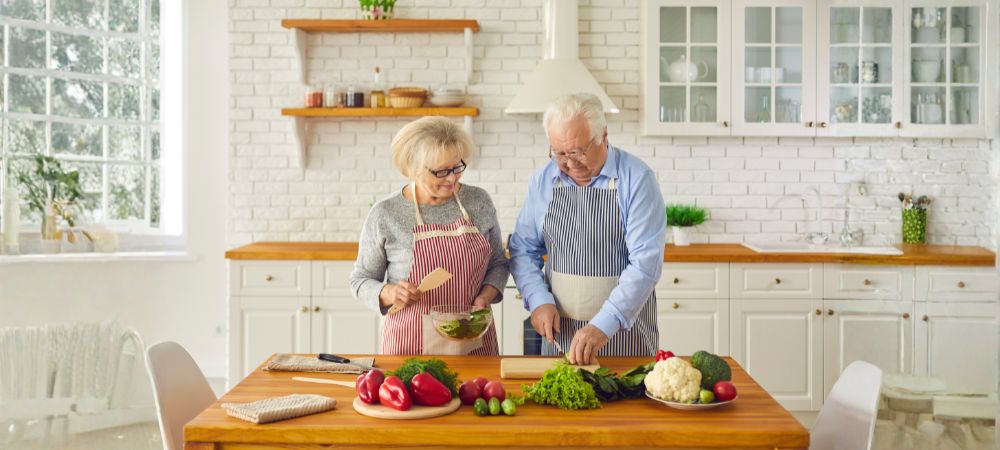
Aging changes everything, including how our bodies use food.
Here’s what that means for nutrition in older adults:
- Slower metabolism: The body burns fewer calories, so every bite counts more.
- Muscle loss (sarcopenia): According to the National Institute on Aging, individuals over 60 can lose up to 1% of their muscle mass per year, making protein intake particularly essential.
- Changes in taste, smell, and digestion: Medications and natural aging dull the senses, which can lead to an interest in food.
- Digestive system slows down: Constipation becomes more common, increasing the need for fiber and water.
- Medication side effects: Many prescriptions impact appetite or nutrient absorption.
The result? Seniors need fewer calories but more nutrients to stay healthy.
Why Healthy Nutrition Is Critical in Later Life
You may be asking, Why is healthy nutrition important as we age?
Let’s answer both sides:
Why is healthy nutrition important, and why healthy nutrition is it important to your day-to-day life:
- Immune strength: A well-fed immune system fights infections and viruses more effectively.
- Better wound healing: Seniors often take longer to recover after surgery or injury. Proper nutrition speeds up the healing process.
- Chronic condition control: A diet tailored to your needs can reduce complications from diabetes, high blood pressure, or arthritis.
- Fall prevention: Protein and calcium help maintain strength and balance, reducing fall risk.
- Cognitive support: Omega-3s, B-vitamins, and antioxidants support brain health.
Healthy nutrition for seniors isn’t about eating “less,” it’s about eating smarter.
As the CDC notes, malnutrition in older adults can go unnoticed but has serious consequences, including increased hospital stays, infections, and loss of independence.
That’s why healthy nutrition for adults becomes even more essential in the later years.
Key Nutritional Needs for Elderly Adults
So, what does a balanced plate look like for nutrition for senior citizens?
Let’s break it down into essentials:
Protein – For Strength and Independence
- Seniors need more protein than younger adults to prevent muscle loss.
- Good sources: eggs, fish, tofu, lean meats, dairy, legumes, and nuts.
Fiber – For Digestion and Heart Health
- Fiber helps with constipation and lowers cholesterol.
- Best sources: fruits, veggies, whole grains, oats, and beans.
Calcium & Vitamin D – For Bone Health
- Aging bones need extra support.
- Found in dairy, fortified plant milk, sardines, leafy greens, and sunlight (for Vitamin D).
Vitamin B12 – For Brain and Blood Health
- Up to 20% of older adults are low in B12.
- Consider fortified cereals, dairy, or supplements after talking with a doctor.
Healthy Fats – For Heart and Brain
- Use olive oil, avocado, and nuts over butter or lard.
- Include fatty fish like salmon or mackerel twice a week.
Hydration – Often Overlooked
- Older adults may not feel thirsty but still need fluids.
- Encourage water, tea, or broth throughout the day.
💡 Example breakfast for a healthy elderly diet:
Scrambled eggs with spinach, whole grain toast, a banana, and herbal tea.
Common Nutrition Challenges in Older Adults
Even the best meal plan can be hard to follow when real-life barriers appear.
Here are common challenges in nutrition in the elderly, and how to gently overcome them:
Dental Issues
Missing teeth or poorly fitting dentures make chewing painful.
Try this: Soft-cooked foods, smoothies, yogurt, and mashed vegetables.
Loneliness or Grief
Seniors living alone may skip meals out of sadness or forgetfulness.
Solution: Invite a caregiver, neighbor, or friend for lunch. Mealtime becomes something to look forward to.
Swallowing Difficulties (Dysphagia)
Common in conditions like Parkinson’s or after a stroke.
Adaptations: Pureed meals or thickened drinks with a speech therapist’s input.
Fixed Income
Eating healthy doesn’t have to be expensive.
Budget tips: Buy frozen veggies, bulk beans, canned fish, and eggs.
Low Mobility or Fatigue
Even standing at the stove may feel overwhelming.
Helpful service:Home care meal preparation gives seniors energy-saving access to fresh, warm meals.
Practical Meal & Snack Ideas for Seniors
Let’s make nutrition for seniors simple and tasty, not a chore.
Easy Breakfasts
- Oatmeal with fruit and walnuts
- Greek yogurt parfait with granola
- Whole wheat toast with peanut butter and banana slices
Simple Lunches & Dinners
- Chicken and vegetable stir-fry
- Lentil soup and whole-grain toast
- Tuna salad sandwich with a side of sliced tomatoes
High-Protein Snacks
- String cheese and apple slices
- Trail mix with nuts and dried fruit
- Hard-boiled eggs or cottage cheese
Plate Proportions
Use the “Healthy Plate” model:
- ½ veggies/fruits
- ¼ protein
- ¼ whole grains
Sample “Day of Eating” for an elderly diet:
- Breakfast: Greek yogurt + berries + whole wheat toast
- Lunch: Turkey sandwich + carrot sticks + apple
- Snack: Boiled egg + crackers
- Dinner: Baked cod, brown rice, and green beans
- Snack: Warm milk or the best nutritional drinks for seniors
Hydration, Supplements & Nutritional Drinks
Here’s a big issue in nutrition in the elderly: not drinking enough water.
As people age, the sense of thirst fades. But hydration still matters for:
- Clear thinking
- Kidney function
- Preventing UTIs and constipation
Hydration tips:
- Keep water within reach
- Offer warm tea, flavored water, or broth.
- Aim for pale yellow urine, a quick hydration check.k
When Are Supplements or Drinks Helpful?
- If your loved one is losing weight
- If appetite is low
- If medical conditions require extra nutrition
💡 Look for high-protein, low-sugar options. And always check with a doctor or dietitian first.
Explore more in our guide to the best nutritional drinks for seniors.
How Loving Homecare Inc. Supports Senior Nutrition
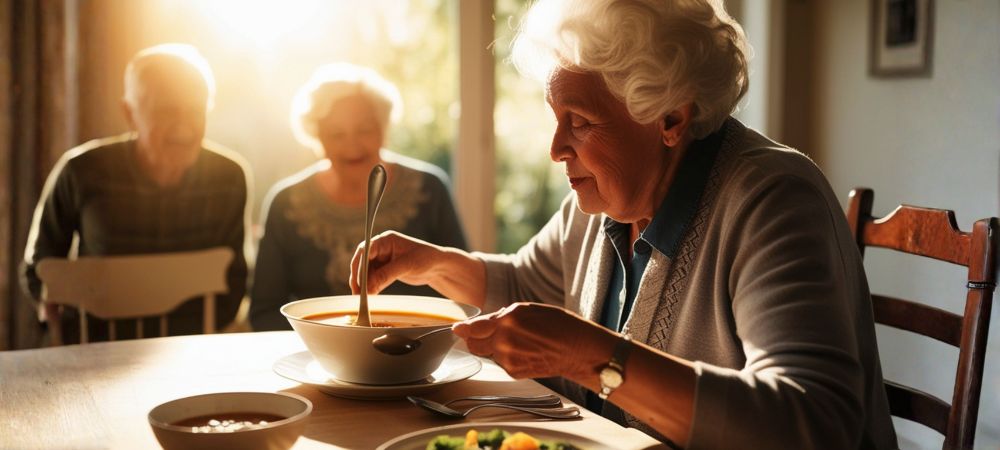
At Loving Homecare Inc., we believe mealtime is about connection and care, not just calories.
Here’s how we help make nutrition for elderly adults easy and comforting:
Home care meal preparation
We prepare warm, familiar meals your loved one actually enjoys, tailored to their health needs and preferences.
Meal Plans for Seniors
We create realistic weekly meal plans for seniors that reduce stress and decision fatigue.
Companionship at Meals
Sometimes, a friendly face at the table makes all the difference.
Home care assistance
Loving Homecare helps with home care assistance, grocery shopping, food storage, and a safe kitchen setup.
Hydration Monitoring
We encourage sipping fluids during daily routines and check for signs of dehydration.
Our goal? To preserve dignity, comfort, and joy at every meal.
Conclusion
Nutrition for senior citizens doesn’t have to be complicated or bland.
Even small improvements like adding a boiled egg, sipping more water, or sharing lunch can spark big changes in health and happiness.
When you or your loved one needs help with meal prep, groceries, or just someone to enjoy a cup of tea with, Loving Homecare Inc. is here.
👉 Contact Loving Homecare Inc. today to learn how our caring team can support nutrition for older adults with warmth and expertise.