
30-Sec Summary
- Families usually need practical structure more than a complicated explanation, especially when several small risks are building at once.
- Strong in-home support connects medical reality to daily life, including meals, bathing, mobility, supervision, transportation, and routine follow-through.
- Loving Homecare Inc offers a broad range of in-home services for Los Angeles, San Gabriel, and Orange County families, from lifestyle support to recovery and specialized care.
- The clearest next step is to identify immediate risks, ask better provider questions, and build a plan that can scale over time.
Most families do not begin this journey with a formal plan. It usually starts with a change that is hard to ignore: a parent seems less steady getting out of bed, forgets to eat, struggles after a hospital stay, or becomes more isolated than before. In Los Angeles and Orange County, many families want a path that protects safety without forcing a loved one out of the home they know best. That is where a clear, home-based support strategy becomes valuable. Loving Homecare Inc serves families across Los Angeles, San Gabriel, and Orange County with in-home support through Lifestyle Care, Recovery Care, and Specialized Care. The company describes its agency as state-licensed, insured, and bonded, with professionally equipped caregivers and a senior-centered management team.
What is Geriatrics?
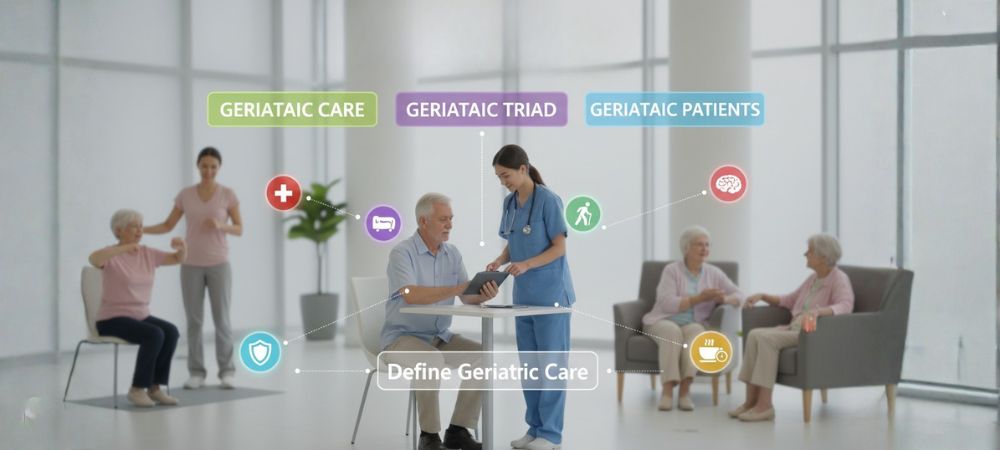
Aging changes more than a diagnosis. It affects stamina, balance, appetite, routines, confidence, and how easily daily tasks get done. For families, the real issue is often not a single condition but the overlap between physical health, memory, medication schedules, and home safety. That is why age-focused support is most useful when it connects health concerns to ordinary life. The goal is not simply to “treat” a problem. It is to help an older adult stay as independent, comfortable, and engaged as possible while reducing avoidable risk.
This perspective matters at home because daily life is where problems either grow or get better. A missed shower may be about weakness, not refusal. A cluttered hallway may turn a minor balance issue into a major fall. A skipped meal may be linked to fatigue, confusion, or low motivation. Good planning looks at the environment, the routine, the individual’s priorities, and the family’s capacity to help. It is practical, not abstract.
Why Families Start Looking for More Support
Families usually begin exploring extra help when several small concerns start happening at once. A loved one may need more reminders, more supervision, or more hands-on support than relatives can consistently provide on their own. In those moments, the question is rarely “What is the perfect long-term answer?” It is usually “What can make tomorrow safer than today?”
That is one reason the benefits of aging at home matter so much to families. Home can preserve familiar routines, nearby relationships, and a sense of control. It can also reduce the stress that often comes with abrupt transitions. Loving Homecare Inc frames its work around helping seniors stay empowered, remain in their homes, and preserve important relationships as needs change.
Core Concepts of Geriatric Care
Geriatrics isn’t just about treating the elderly for specific illnesses; it’s about understanding the broader context of aging. Here are some critical concepts in geriatric care:
5Ms that Define Geriatric Care
- Mind: Cognitive health and mental well-being are essential components of geriatrics, including managing dementia and depression.
- Mobility: As people age, mobility becomes a challenge, and geriatrics focuses on preventing falls and maintaining physical independence.
- Medications: The elderly often take multiple medications. Geriatrics aims to minimize risks from polypharmacy and ensure drugs are used safely.
- Multicomplexity: Older adults frequently deal with multiple health issues at once. Geriatric care coordinates treatment for these various conditions.
- Matters Most: The geriatric care model emphasizes what’s most important to the individual, such as their values and goals for aging.
Polypharmacy & Risk Management
Older adults often take several medications simultaneously, which can lead to dangerous interactions. Geriatric care ensures that medications are carefully managed and adjusted to prevent adverse effects.
Functional Independence
Maintaining functional independence is a core focus of geriatrics. Through rehabilitation, physical therapy, and other services, elderly individuals can continue performing daily activities independently, improving their quality of life.
How Support Can Work at Home
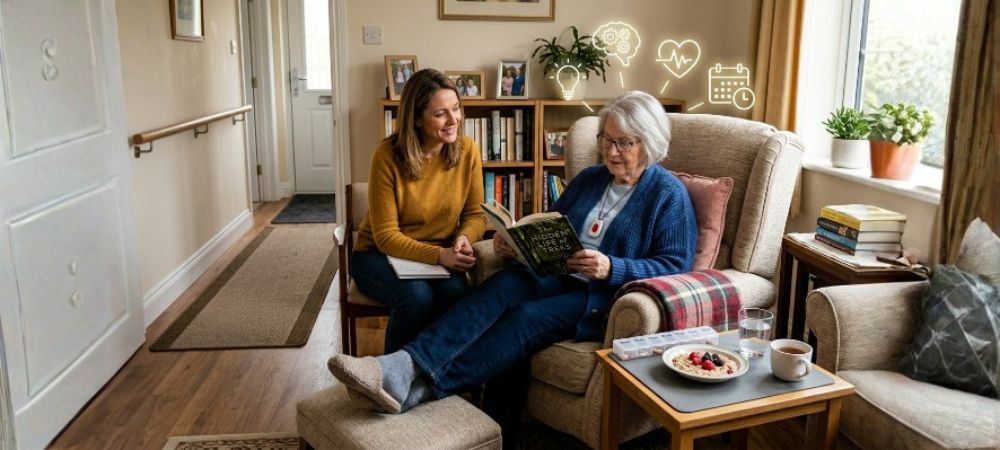
Home support works best when it fits the actual rhythm of the day rather than a generic checklist.
Day-to-day support that preserves stability
Many families start with senior in home care for just a few hours at a time, then adjust as routines change. Loving Homecare Inc offers Lifestyle Care on an hourly or 24-hour basis, with services that include personal oversight, personal care, food preparation, diet management, medication monitoring, respite care, transportation services, and appointment accompaniment.
A separate option, home care assistance, is especially relevant when a loved one needs help with bathing, grooming, dressing, transportation, meal preparation, and the day-to-day tasks that can quietly become overwhelming. The company’s service page describes customized care plans designed to promote safety, happiness, and independence in familiar surroundings.
Safety-focused planning
If your main concern is elderly fall prevention, the first step is not fear. It is an observation. Look at transfers, footwear, nighttime lighting, throw rugs, bathroom access, and how often the person rushes because they do not want to “be a bother.” Loving Homecare Inc’s Fall Prevention service centers on home safety evaluation, personalized plans, and mobility-focused support to reduce fall risks and promote independence.
A simple home safety checklist for seniors can also make family conversations easier. It turns vague concern into specific action: improve lighting, reduce clutter, add grab bars, check walking paths, and review which activities feel least safe.
Memory support with dignity
When memory loss changes meals, hygiene, medication habits, or social behavior, dementia home care is often most effective when it is calm, routine-based, and respectful. Loving Homecare Inc’s Dementia & Alzheimer’s Care service includes support with daily living, nutrition and hydration, medication compliance, companionship, and personalized care plans designed around individual needs and preferences.
Recovery after illness or hospitalization
Recovery at home often requires more than rest. It may involve safer bathing, transportation to appointments, hygiene support, status reporting to family, rehabilitation exercise, and monitoring how someone is coping from day to day. Loving Homecare Inc lists Recovery Care services such as hospital-to-home transition, post-operative assistance, private duty care, and social support.
Long-term help for more complex conditions
For families facing Parkinson’s, COPD, diabetes, neuropathy, stroke recovery, chronic pain, or end-of-life needs, specialized senior care can make the day feel more manageable. Loving Homecare Inc’s Specialized Care page highlights one-on-one support for long-term conditions, with additional service lines that include Palliative Care Service, Live-In Home Care Services, Bathing Assistance, and condition-specific support led by caregivers trained for more complex situations. The page also notes Certified Dementia Practitioners (CDP®) supporting dementia-related care.
Primary Care vs Geriatric Care: A Comparison
| Aspect | Primary Care | Geriatric Care |
| Definition | General healthcare for patients of all ages | Specialized care for older adults, focusing on aging-related health issues |
| Focus | Overall health management and preventive care | Complex, age-related geriatric conditions, frailty, and quality of life |
| Healthcare Providers | Family doctors, general practitioners (GP) | geriatric healthcare, Geriatrics doctor, geriatric nurse practitioners, and specialized care teams |
| Treatment Approach | Routine health checkups, vaccinations, referrals, and treatment for elderly | Coordinated, multidisciplinary approach to aging-related conditions (e.g., mobility, cognition, falls) |
| Common Conditions Treated | Common illnesses, minor injuries, and preventive care | Dementia, arthritis, osteoporosis, cardiovascular diseases, and polypharmacy |
| Scope of Care | Preventive and acute care | Chronic disease management, functional decline, mental health, and quality of life, |
| Typical Visit Duration | Short, routine visits | Longer, detailed assessments due to complex health needs |
| Care Setting | Doctor’s office, clinic, urgent care centers | Specialized clinics, home care, a geriatric care manager, hospitals, and long-term care facilities, and geriatric home health care |
| Personalization | Standardized care across age groups | Highly personalized care plans tailored to the elderly’s physical, emotional, and social needs |
How to Choose the Right Provider
Families usually do best when they start with the immediate risks instead of trying to solve everything at once.
First, name the top three concerns. These are often shower safety, medication reminders, meals, wandering risk, nighttime instability, or missed appointments. A focused start prevents overwhelm.
Second, ask how caregivers are screened, supervised, and trained. Loving Homecare Inc states that its agency is state-licensed, insured, and bonded, and its broader services page says care is licensed and regulated through California’s Department of Social Services Home Care Services Bureau. The site also highlights trained caregivers, a senior-centered management team, and strong review signals on service pages.
Third, ask for an in home care assessment so concerns become a schedule, a care plan, and a set of responsibilities everyone understands. That single step often reduces family confusion more than any long discussion does.
Why Families Consider Loving Homecare Inc for Geriatric Care
Families looking for home-based support often want two things at once: warmth and structure. Loving Homecare Inc positions itself around both. The home care emphasizes personalized home care solutions, short- or long-term support, and options for hourly or 24-hour care. Their Service expand into clear categories: Lifestyle Care for daily routines, Recovery Care for post-hospital or post-illness support, and Specialized Care for more complex or condition-specific needs.
They also give families a practical range of services they can build around: Fall Prevention, Home Care Assistance, Dementia & Alzheimer’s Care, Respite Care, Private Duty Care, Senior Transportation, Live-In Home Care Services, Meal Preparation, Bathing Assistance, and other forms of non-medical home support. That range is useful because most families do not need just one isolated service. They need a combination that evolves.
Common Search Phrases, Clearly Explained
what is a geriatrics: This is usually a searcher’s shorthand for the specialty itself or the kind of doctor who works with older adults.
define geriatric: This is typically a misspelling of “geriatric,” which refers to older adults or care designed around aging-related needs.
Geriatric aging: This phrase usually refers to how health, mobility, memory, and independence change later in life.
Geriatrics meaning: In simple terms, it means care and clinical thinking centered on the realities of older age.
Define geriatric care: This means support built around an older adult’s health, function, safety, daily routine, and goals.
Geriatric care meaning: The practical meaning is coordinated help that makes aging-related challenges easier to manage.
Geriatric patients means: This usually refers to older adults whose care often requires extra attention to function, safety, medications, and overlapping needs.
Geriatric triad: This phrase is sometimes used informally for age-related concerns that tend to appear together, especially falls, frailty, and cognitive or continence-related change.
A Gentle Next Step for Your Family
If you’re balancing safety, independence, and family responsibilities, you’re not alone. Loving Homecare Inc. offers hourly and 24/7 in-home support in Los Angeles and Orange County, helping families build care around real routines and changing needs at home.
These decisions are rarely just medical. They are personal, practical, and often emotional. The right support can make daily life safer, reduce preventable risks, and give families more confidence in what comes next.
Request a consultation with Loving Homecare Inc to talk through your loved one’s routines, concerns, and support needs.
Call (562) 448-3854 or use the request-a-callback option to discuss a care plan that feels realistic, respectful, and tailored to your family.