
Recently updated on March 16th, 2026 at 07:14 am
30 Second Summary
- In-home care supports seniors’ physical health, emotional stability, and social engagement.
- Personalized care plans reduce hospitalizations and improve independence.
- Seniors recover faster and feel safer in familiar surroundings.
- Families gain peace of mind knowing loved ones receive compassionate, professional support.
Why Aging at Home Matters More Than Ever
Growing older is natural, but it can still feel overwhelming. Health changes, mobility shifts, and daily tasks like cooking, bathing, or getting around the house can become harder over time. Even small challenges can add up, leaving seniors and families feeling unsure about what support is needed and when.
Still, most seniors share one strong desire: they want to stay home. Home feels familiar, comfortable, and empowering; it’s where routines make sense and independence feels possible. That’s why aging in place matters so much to older adults who want to remain surrounded by their belongings, memories, and community.
According to AARP, nearly 77% of adults over 50 prefer to age in place, and that number speaks volumes. It shows that many people aren’t looking for drastic changes; they want practical, respectful help that keeps them safe while protecting their dignity and freedom.
This guide explains how in-home care improves quality of life for seniors and why families across America are choosing compassionate, personalized care at home. From help with everyday activities to companionship and safety support, in-home care can meet seniors where they are and adapt as needs change. Let’s explore what truly makes the difference.
How in-home care improves quality of life for seniors: A Closer Look
Here’s the truth:
Aging is not just about medical needs.
It’s about independence. Purpose. Human connection.
When care happens at home, everything changes.
Seniors stay in familiar surroundings. They keep their routines. They sleep in their own beds.
That comfort directly influences the overall quality of life for seniors.
But wait, there’s more.
Home-based support not only feels better. It works better.
From physical wellness to emotional balance, the home care impact is measurable and profound.
Physical Health Benefits That Go Beyond Basic Care
Physical well-being is the foundation of healthy aging.
Professional caregivers assist with medication reminders, mobility support, hygiene, and nutrition. These may seem like small tasks.
They’re not.
The CDC reports that medication mismanagement is one of the leading causes of hospital readmissions among older adults. Proper supervision dramatically reduces that risk.
This is one of the strongest benefits of home health care.
Seniors also experience:
- Fewer falls due to supervised mobility
- Better nutrition through meal preparation
- Improved recovery after surgery
- Chronic disease management
The benefits of home care for seniors become clear when hospital visits decrease and strength increases.
And because care is one-on-one, changes in health are noticed quickly.
Early detection saves lives.
That’s the quiet power behind the advantages of home health care.
The Emotional Power of Staying at Home
Let’s talk about something equally important.
Feelings.
Aging often brings loss. Loss of friends. Loss of independence. Sometimes even loss of identity.
Isolation can lead to depression. According to the National Institute on Aging, social isolation significantly increases the risk of cognitive decline and dementia.
This is where emotional support for seniors becomes critical.
Caregivers do more than assist with tasks. They listen. They talk. They share moments.
They build trust.
Seniors feel seen again.
That emotional stability reduces anxiety and boosts confidence. It reminds older adults they still matter.
And that alone transforms daily life.
Social Connection: The Missing Piece in Senior Health
Here’s something many families overlook.
Loneliness can be as harmful as smoking 15 cigarettes a day, according to research published in Perspectives on Psychological Science.
Read that again.
Companionship isn’t optional. It’s essential.
One of the overlooked in-home care benefits is consistent human interaction.
Caregivers encourage hobbies. They accompany seniors on walks. They facilitate video calls with family members.
These simple actions rebuild social ties.
The benefits of in home care for the elderly include:
- Increased engagement
- Reduced risk of depression
- Cognitive stimulation
- Stronger sense of belonging
And when seniors feel connected, their health improves naturally.
Personalized Care Plans That Truly Make a Difference
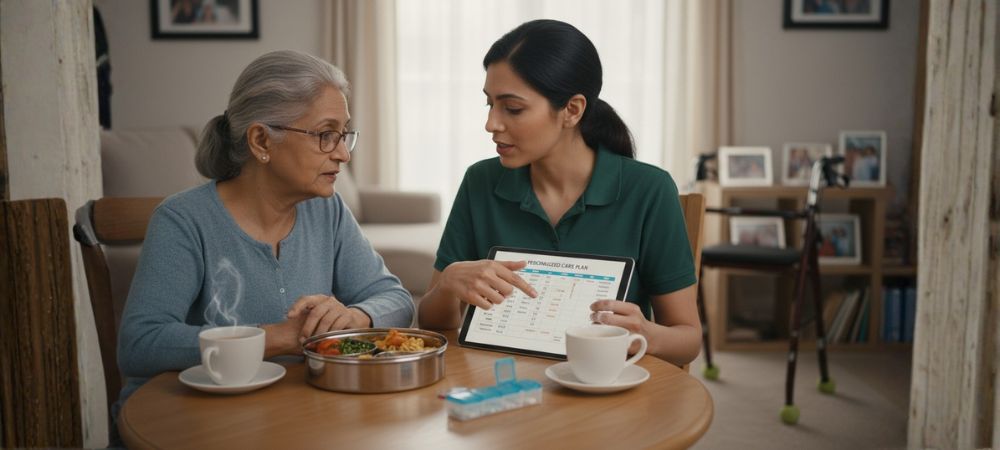
No two seniors are alike.
So why should their care plans be?
Personalized support is one of the greatest benefits of home care.
Customized care addresses:
- Specific medical conditions
- Cultural preferences
- Dietary needs
- Personal routines
Research from the Journal of the American Geriatrics Society shows that individualized care plans significantly improve patient satisfaction and treatment adherence.
That’s why the benefits of personalized care plans for senior quality of life are impossible to ignore.
When care fits the person, not the other way around, results improve dramatically.
Safety, Independence, and Dignity, All in One Place
Safety matters.
Falls are the leading cause of injury-related deaths among adults over 65, according to the CDC.
Home caregivers reduce risks by:
- Removing hazards
- Assisting with transfers
- Monitoring balance
- Supervising mobility
But here’s the key:
Support does not mean control.
Seniors maintain independence while receiving help only when needed.
Understanding how in-home care improves quality of life for seniors means recognizing that dignity remains intact.
They choose their schedule.
They choose their meals.
They choose how they live.
That autonomy is priceless.
Why Families Are Choosing Home-Based Support
Families often struggle with guilt.
They want to help. But they also juggle careers, children, and responsibilities.
Here’s the good news.
Professional caregivers become partners in care.
Services like home care services for seniors allow families to focus on quality time instead of daily stress.
Need help with bathing, grooming, or transportation?
That’s where home in home care assistance steps in.
Considering hiring a caregiver in Los Angeles, California?
Local, experienced providers understand community resources and healthcare networks.
And they bring peace of mind, because knowing your loved one is safe changes everything.
The Financial and Practical Advantages
Let’s address the elephant in the room.
Cost.
Many assume home care is expensive.
But institutional care often costs significantly more. According to Genworth’s Cost of Care Survey, the national median monthly cost for a private room in a nursing home exceeds $9,000.
Home-based care is often more flexible.
You pay for the level of support needed.
That flexibility explains why home health care is important not just emotionally, but financially.
Additionally, seniors recover faster at home. A study from Johns Hopkins Medicine found that home-based recovery reduces complications and readmissions.
That’s a long-term savings in both money and health.
Real Data: What Research Says About Home Care
Still wondering if this approach truly works?
Let’s look at the evidence.
- A 2020 study in Health Affairs found home-based primary care reduced hospitalizations by 17%.
- The National Library of Medicine reports improved patient satisfaction scores among seniors receiving in-home support.
- AARP research confirms that aging at home contributes to higher happiness ratings among older adults.
Understanding how in-home care improves quality of life for seniors is not based on opinion.
It’s supported by science.
Physical health improves.
Mental health stabilizes.
Social interaction increases.
The ripple effect is powerful.
The Human Side of Care: Stories That Matter
Numbers are persuasive.
But stories are unforgettable.
Imagine an 82-year-old widow recovering from hip surgery.
In a facility, she feels disoriented.
At home, she feels secure.
Her caregiver helps her walk daily. Prepares her favorite meals. Talks with her about her grandchildren.
Her strength returns faster.
Her smile returns sooner.
That is the real home care impact.
It’s not just clinical.
It’s deeply human.
Choosing the Right Support System
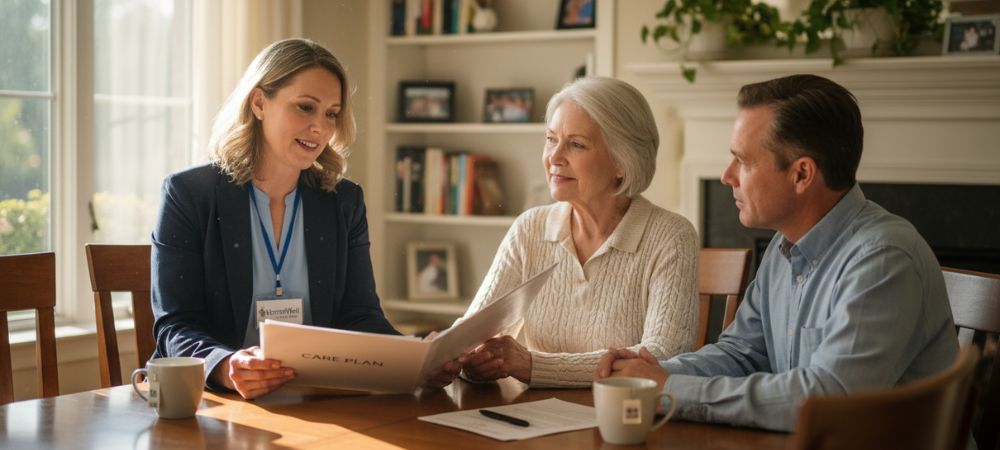
So, what should families look for?
Start with credentials.
Then compassion.
Ask about training. Background checks. Communication practices.
Look for agencies that prioritize personalized planning and family involvement.
Most importantly, choose providers who genuinely care.
Because the difference between basic service and heartfelt care is life-changing.
A Future Filled with Comfort and Confidence
Aging does not have to mean losing control.
It can mean gaining support.
It can mean thriving at home.
By now, you understand how in-home care improves the quality of life for seniors.
It strengthens bodies.
It calms minds.
It reconnects hearts.
And it allows older adults to live fully, right where they belong.
FAQs
Conclusion
Aging at home isn’t just a preference.
It’s a pathway to better health, stronger emotional balance, and meaningful social connection.
Now you know how in-home care improves the quality of life for seniors. The right support can help older adults stay safe, maintain independence, and continue enjoying the comfort of familiar surroundings—all while giving families peace of mind.
If you’re exploring care options for someone you love, Loving Home Care is here to help. Our compassionate caregivers provide personalized in-home support designed to meet each senior’s unique needs with dignity and respect.
Contact Loving Home Care today to schedule a consultation and discover how we can help your loved one thrive at home.