
Summary
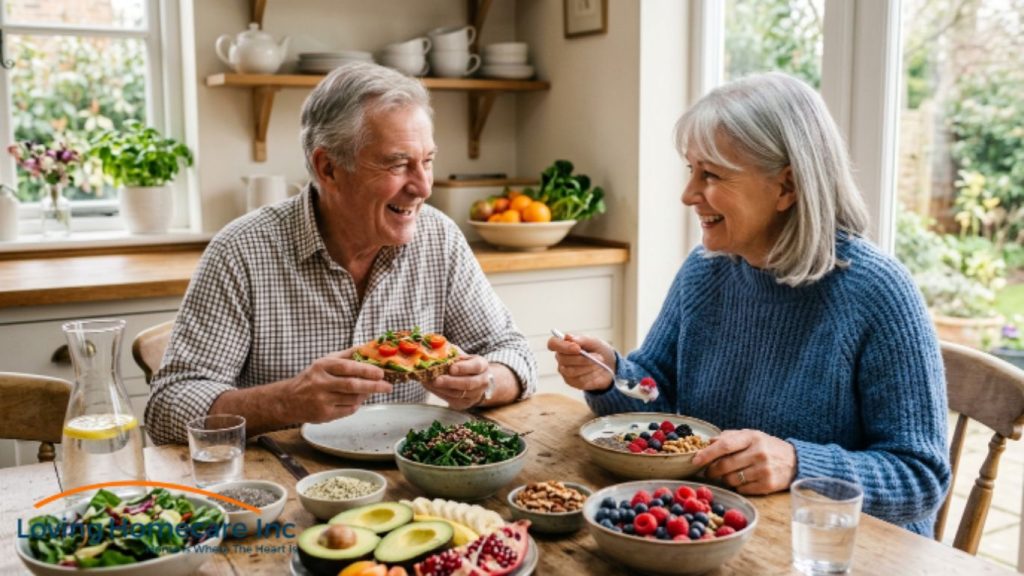
- Nutrient dense superfoods help older adults maintain energy, sharp cognitive function, and strong immunity.
- Incorporating high protein and high fiber choices addresses common age related muscle loss and digestive changes.
- Simple dietary shifts, like adding colorful berries and leafy greens, make daily meals both delicious and highly therapeutic.
- Overcoming eating challenges is easy with tailored meal prep, proper hydration habits, and specialized lifestyle support.
Aging changes the human body. Metabolism slows down. Appetite often decreases. Yet, the need for vital nutrients stays high. Eating well becomes a powerful shield. It protects against chronic illnesses and preserves independence.
A healthy diet for seniors is not about restriction. It is about choosing foods packed with vitamins, minerals, and antioxidants. Every bite must count toward longevity. Small changes in daily eating habits yield massive benefits for physical and mental well being.
What Exactly Is a Superfood?
The term gets tossed around frequently in grocery stores. But what are the superfoods exactly? They are not magical pills. Instead, they are whole foods that offer an exceptionally high concentration of nutrients per calorie, making them a vital cornerstone of a healthy diet for seniors.
Think of them as nutritional powerhouses. They carry hefty doses of vitamins, antioxidants, and healthy enzymes. When looking at a comprehensive list of superfoods, you will find everyday staples like salmon, walnuts, and spinach. They work from the inside out to reduce inflammation and boost cellular repair.
The Core Elements of Healthy Eating for Seniors
Balancing a plate requires strategy. As we age, our bodies need fewer calories but more specific nutrients. Focusing on healthy eating for seniors means filling your plate with a strategic variety of whole foods.
Key structural components include:
- Vegetables and Fruits: Fill half the plate with colorful varieties to maximize vitamin intake.
- Lean Proteins: Allocate a quarter of the plate to support muscle maintenance and cell repair.
- Whole Grains: Dedicate the remaining quarter to provide sustained energy and essential fiber.
According to the National Institutes of Health (NIH), a structured, balanced diet for elderly individuals drastically lowers the risk of type 2 diabetes and hypertension. It ensures sustainable daily energy without causing dangerous blood sugar spikes.
Top Berry Superfoods: Separating Fact from Fiction
Berries are universally praised by nutritionists. Yet, unusual rumors cause confusion. You might wonder, are blueberries bad for seniors? The answer is absolutely not.
A high intake of anthocyanins provides critical advantages:
- Cognitive Preservation: Studies show the powerful antioxidants in dark berries are linked to a significantly slower rate of cognitive decline.
- Vascular Support: The natural compounds help strengthen blood vessels and improve overall circulatory health.
- Natural Sweetness: They satisfy sweet cravings safely without causing dangerous blood sugar spikes.
Why did the myth why are blueberries bad for seniors start? It usually stems from digestive issues like diverticulitis or potential interactions with blood-thinning medications. Otherwise, these dark berries are a perfect healthy food for seniors, supporting natural vitality.
Leafy Greens and Vegetables for Vitality
When exploring what are the healthiest foods for longevity, dark leafy greens top the charts. Vegetables like kale and spinach pack calcium, folate, and vitamin K, making them essential to a healthy diet for seniors by maintaining bone density and ensuring proper blood clotting.
| Vegetable | Key Nutrient | Senior Benefit |
| Spinach | Lutein & Iron | Protects vision, prevents anemia |
| Kale | Vitamin K & Calcium | Strengthens bones, supports heart |
| Broccoli | Sulforaphane | Fights cellular oxidative stress |
Regularly adding these vegetables to meals ensures that elderly people eating healthy lifestyle maintain their visual acuity. This keeps their eyes sharp and vibrant.
High-Protein Powerhouses for Muscle Retention
Sarcopenia, or age-related muscle loss, threatens independence and balance. To combat this, focusing on high-protein foods for seniors is essential. The body requires clean building blocks to repair tissue and keep muscles functioning properly.
Excellent sources of lean protein include:
- Wild-caught salmon and mackerel (rich in omega-3s)
- Skinless chicken breast and turkey
- Eggs (an excellent source of choline for brain health)
- Greek yogurt and cottage cheese
Incorporating protein into every single meal helps sustain muscle mass. Utilizing structured Senior medication management programs can also ensure that prescriptions do not interfere with how these vital proteins are used by the body.
Fiber-Rich Foods for Optimal Digestive Health
Digestive tracks tend to slow down with age. This makes constipation a frequent and uncomfortable complaint. Introducing ample high fiber foods for elderly individuals restores regular digestion and improves gut health.
Excellent fiber sources for older adults include oats, lentils, chia seeds, and whole wheat grains. Fiber acts like a broom for the digestive tract. It sweeps away waste while helping to manage cholesterol levels. For families who need help organizing these specific meals, arranging for professional meal preparation for seniors can guarantee that fiber remains a consistent part of the daily routine.
Healthy Fats that Support Brain and Heart Function
- A Modern Shift: Traditional advice warned against all fats, but modern science confirms healthy lipids are vital for heart and brain wellness.
- Brain Structure: The brain is mostly fat, requiring high-quality lipids to maintain cognitive sharpness and strong cellular structure.
- Fighting Inflammation: Premium foods for seniors like avocados, olive oil, and walnuts, lower systemic inflammation and lubricate stiff joints.
- Vitamin Absorption: Adding healthy oils to meals dramatically improves how the body absorbs essential vitamins like A, D, E, and K.
- Strategic Assistance: When managing a daily healthy diet for seniors becomes overwhelming, comprehensive Lifestyle Care plans provide excellent structural support.
Smart Strategies for High-Calorie Nutritional Needs
While many seniors struggle with weight gain, others face the opposite problem. Unintentional weight loss and a dwindling appetite can lead to frailty. In these specific cases, finding healthy, high calorie foods for elderly loved ones becomes a medical priority.
To boost caloric intake without relying on junk food, focus on high calorie foods for seniors that are also packed with vitamins. Stir nut butters into morning oatmeal. Mix avocado into fruit smoothies. When independent cooking becomes too physically demanding, seeking dedicated in home care assistance helps ensure these caloric goals are safely met every day.
Overcoming Common Obstacles to Senior Nutrition
Transitioning to a healthy diet for older adults can bring hurdles like dental pain, changing taste buds, or loneliness. Because of this, traditional food for old people often feels completely unappealing or too difficult to chew.
To make eating pleasurable and accessible again, focus on these adjustments:
- Enhance Flavors: Use aromatic herbs like rosemary and thyme instead of excess salt to stimulate dull taste buds.
- Modify Textures: Serve slow cooked stews, puréed soups, and nutrient packed smoothies to make chewing easier.
- Streamline Nutrient Delivery: Transforming the textures of food for elderly people ensures they get necessary nutrients without discomfort.
Adjusting the presentation of food for elderly individuals restores the joy of dining. Families navigating these complex adjustments often benefit from professional geriatric care to keep their loved ones on track.
Practical Meal Prep Tips for Everyday Success
Consistently preparing nutritious old people food does not have to be exhausting. Batch cooking is an excellent way to save energy. Prepare large portions of soft grains, roasted vegetables, and lean proteins over the weekend, then portion them into easy to reheat containers.
When dietary needs become highly complex due to underlying medical conditions, shifting toward specialized senior care ensures that meals are custom-designed for specific health targets. This targeted approach eliminates guesswork and guarantees that every meal serves a therapeutic purpose.
The Bottom Line
Eating nutrient dense foods ensures a vibrant, independent lifestyle. Adding superfoods, lean proteins, and fiber protects physical strength and mental clarity. If managing these dietary shifts at home feels overwhelming, professional help is available. Learn how Nutrition for Older Adults resources can transform daily wellness. For compassionate support tailored to your journey, connect with Loving HomeCare Inc to explore personalized home care solutions.
FAQs
What are the best superfoods for daily senior diets?
Berries, leafy greens, salmon, and Greek yogurt are ideal. They deliver essential antioxidants, lean protein, calcium, and omega-3 fatty acids.
How much fiber do older adults need every day?
Men over 50 need about 30 grams daily; women need around 21 grams. Increase intake slowly and drink plenty of water.
Can superfoods help protect memory and brain function?
Yes. Nutrient dense foods like blueberries and walnuts reduce inflammation and oxidative stress, directly supporting sharp cognitive health.
What if an older adult refuses to eat healthy meals?
Enhance flavors with fresh herbs instead of salt, serve softer textures, and blend nutrients into smooth, easy-to-drink shakes.
Why is hydration important when increasing dietary fiber?
Fiber absorbs water to function correctly. Without proper hydration, increasing fiber can cause uncomfortable digestive issues like bloating or constipation.